The First Supermoon of 2026: Wolf Moon Illuminated the Nights
As we welcomed the year 2026, the sky hosted a visual spectacle. The year's first full moon, the Wolf Moon, shone in the sky this time as a supermoon. This astronomical event, occurring at its closest point to Earth, created the first major celestial display of the year.

As we welcomed the year 2026, the sky hosted a visual spectacle. The year's first full moon, the Wolf Moon , shone brightly in the sky this time as a supermoon . This astronomical event, occurring at its closest point to Earth, created the first major celestial display of the year.
Details are here…
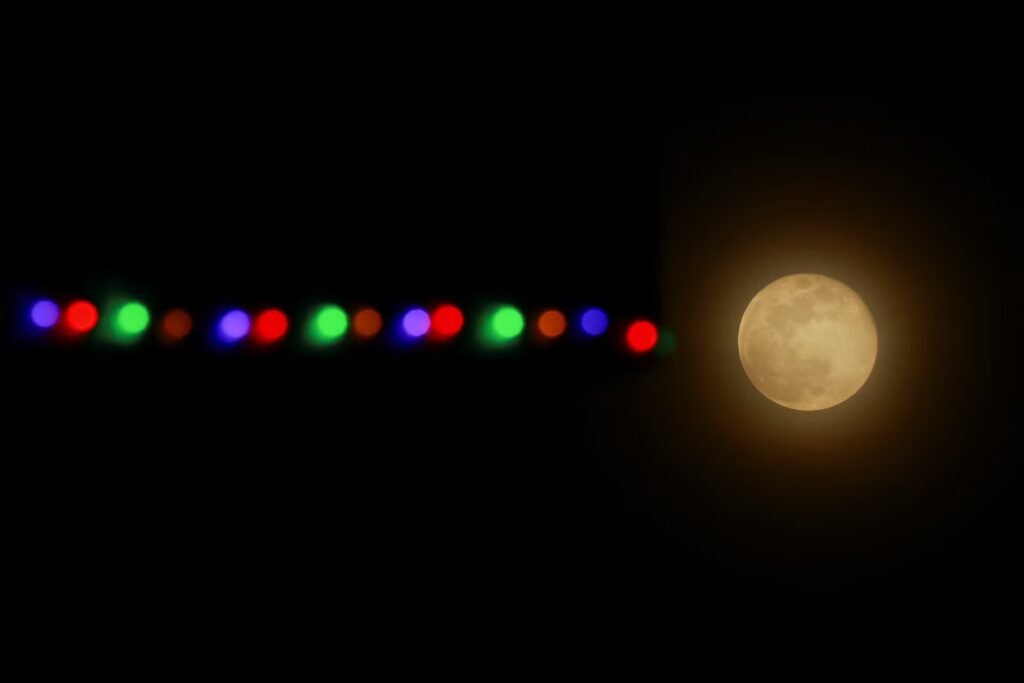
What is Wolf Moon?
Wolf Moon , the first full moon of 2026 , fully appeared in the sky on January 3rd, marking the year's first supermoon. The name Wolf Moon comes from ancient North American and European folklore associated with the howling of wolves on cold January nights, hence its popular name.
According to the astronomical calendar, the full moon reached its full phase on January 3rd at 10:03 GMT (01:03 Turkish time). It is considered a supermoon because it occurs at its closest point to Earth during the full moon phase . This position causes the moon to appear larger and brighter to the naked eye.
Supermoon: Technical Definition and Visual Differences
The term "supermoon" refers to full moons that occur when the Moon is closest to Earth in its elliptical orbit, at its perigee . During this time, the Moon appears larger and brighter in the sky than an average full moon. This effect is even more pronounced when it rises high near the horizon.
Although astrophotographers and skywatchers emphasize that the brightness and size of supermoons are perceived as an optical illusion, technically this event does indeed involve an astronomical difference.
Observing the Wolf Moon: Where and How?
Astronomers frequently point out that the Wolf Moon is best seen in areas with clear skies, away from city lights. As the moon rises in the east-northeast horizon later in the night, it appears visually larger, especially near the horizon.
According to the Washington Post, this supermoon maintained its full moon appearance for several days in January and was particularly prominent in the sky on the nights of January 2-4.
Sky enthusiasts note that the bright light of the supermoon may make it difficult to observe the Quadrantid meteor shower, which is expected that same night. This brightness could create a light pollution effect that prevents the fainter meteors from being seen.
Wolf Moon's Cultural and Historical Background
The name Wolf Moon originates from observations made by ancient Native American tribes and immigrants. January is generally known as a time of harsh winter conditions and scarcity of food resources. Therefore, the howling of wolves as they struggle with hunger and cold led to this full moon being called "Wolf Moon."
Similarly, in Western traditions, each full moon is given a different name; for example, the February full moon is known as the Snow Moon , and the March full moon as the Worm Moon . A total of 13 full moons are expected in 2026, including several supermoons.
An Overview of the Celestial Calendar: The Moon Phases of 2026
2026 offers a very rich calendar for astronomy enthusiasts. Thirteen full moons and twelve new moons will be observed throughout the year. It's noted that significant celestial events are planned not only in January but also in the following months.
According to the calendar, after the Wolf Moon on January 3rd, there will be full moons in February known as the Snow Moon and in March as the Worm Moon . Additionally, a rare Blue Moon, meaning a second full moon in a single month, will also be visible during the year.
In addition, two lunar and a solar eclipse are among the special events on the astronomical calendar. This makes 2026 a rich year in terms of celestial events.
Tips for Photographers and Observers
For those wishing to photograph supermoon events like Wolf Moon, there are some practical tips available. Experts recommend technical settings for moon photography such as low ISO values (100–200), medium aperture ranges, and faster shutter speeds. Using a tripod and maintaining steady focus are also important for obtaining sharp images.
It's also possible to capture the effect of this supermoon more strikingly when shooting near the horizon. For this reason, moonrise or sunset times are frequently preferred by photographers.
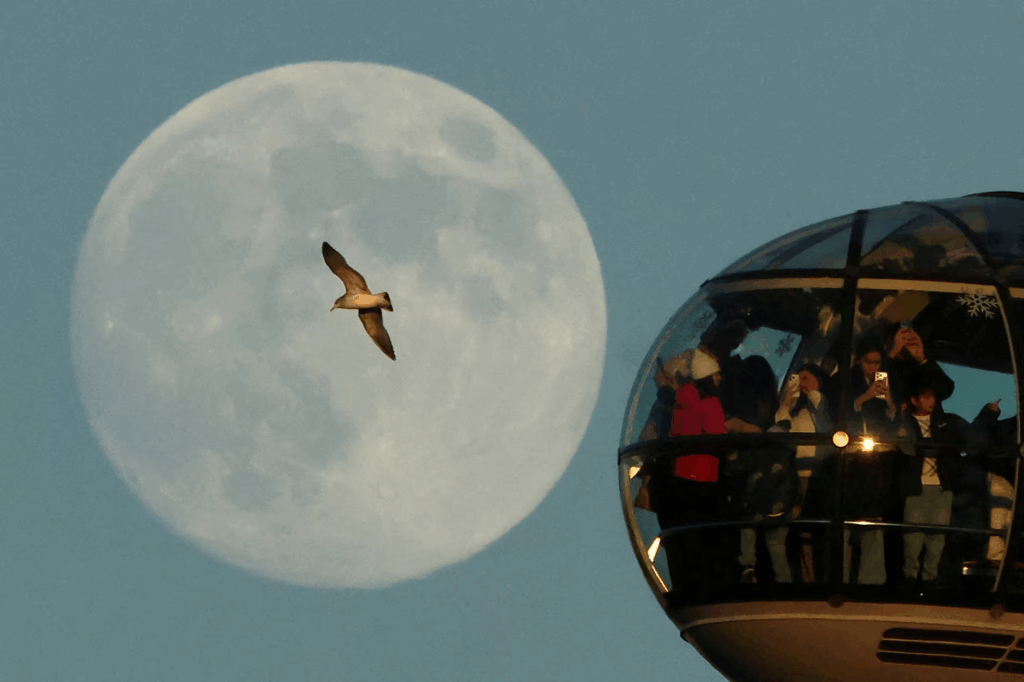
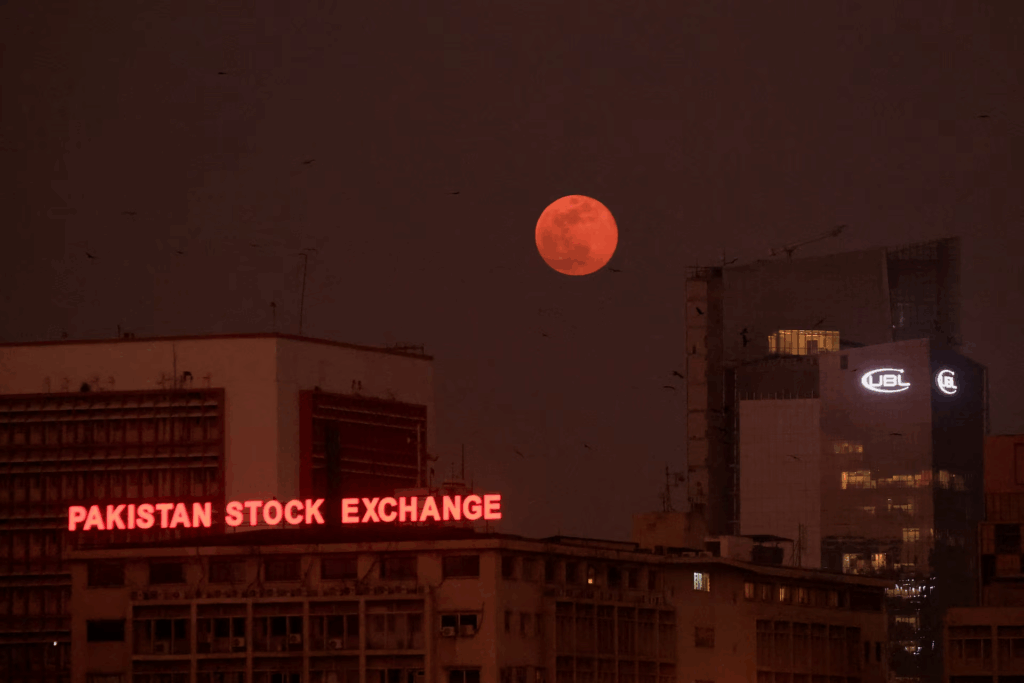
Images from the first Supermoon of 2026.
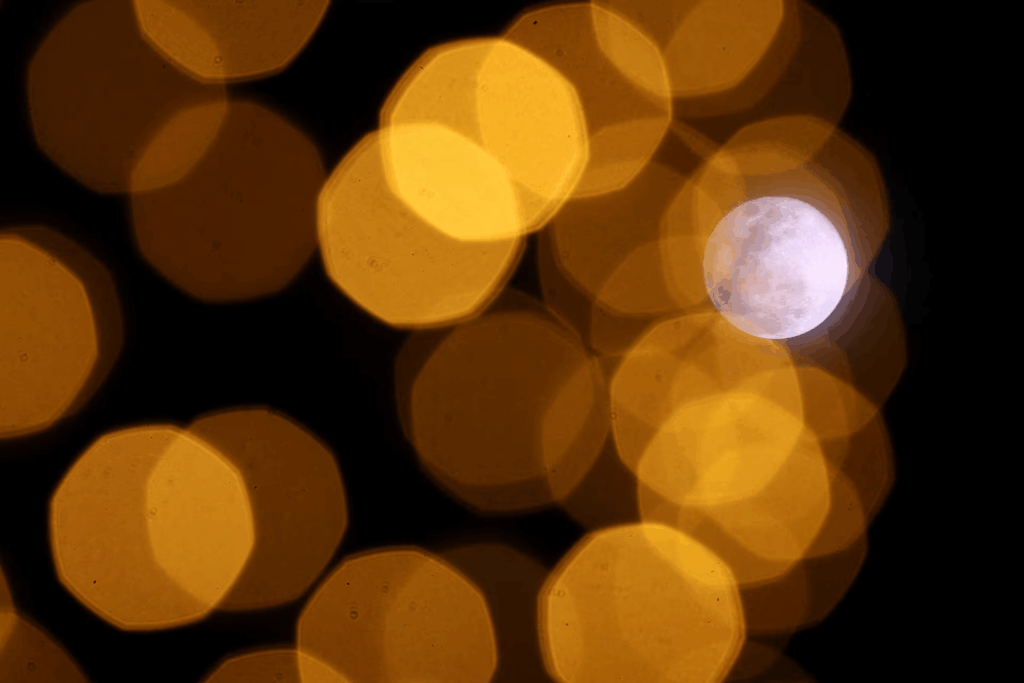

Photo: REUTERS / Jose Cabezas
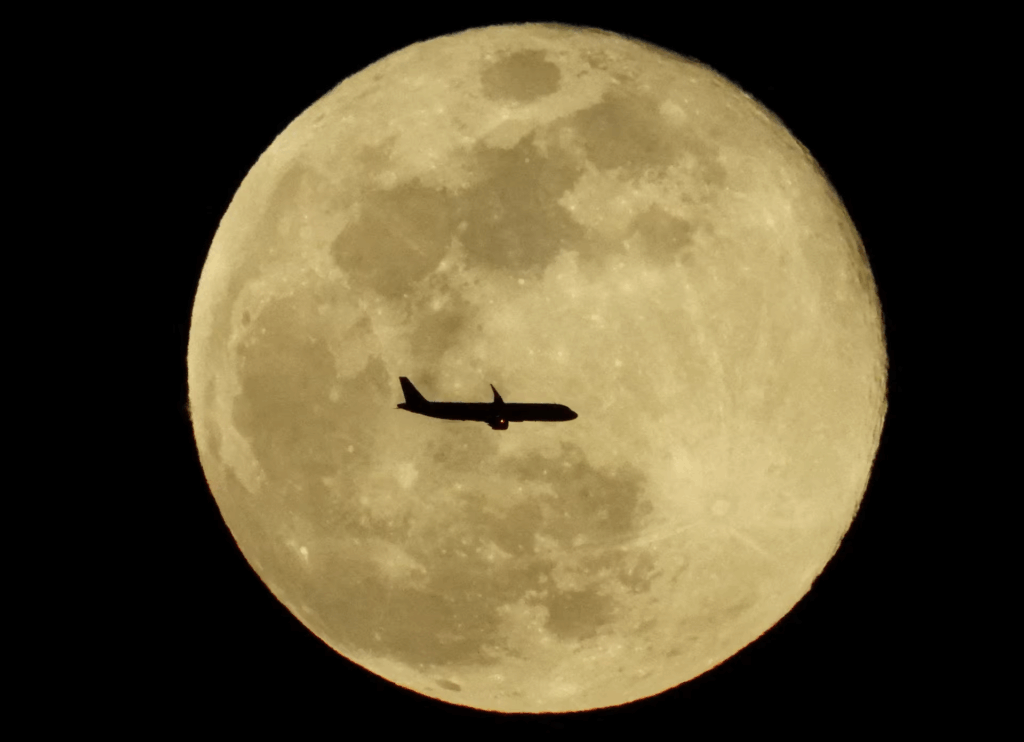
Photo: REUTERS / Borja Suarez
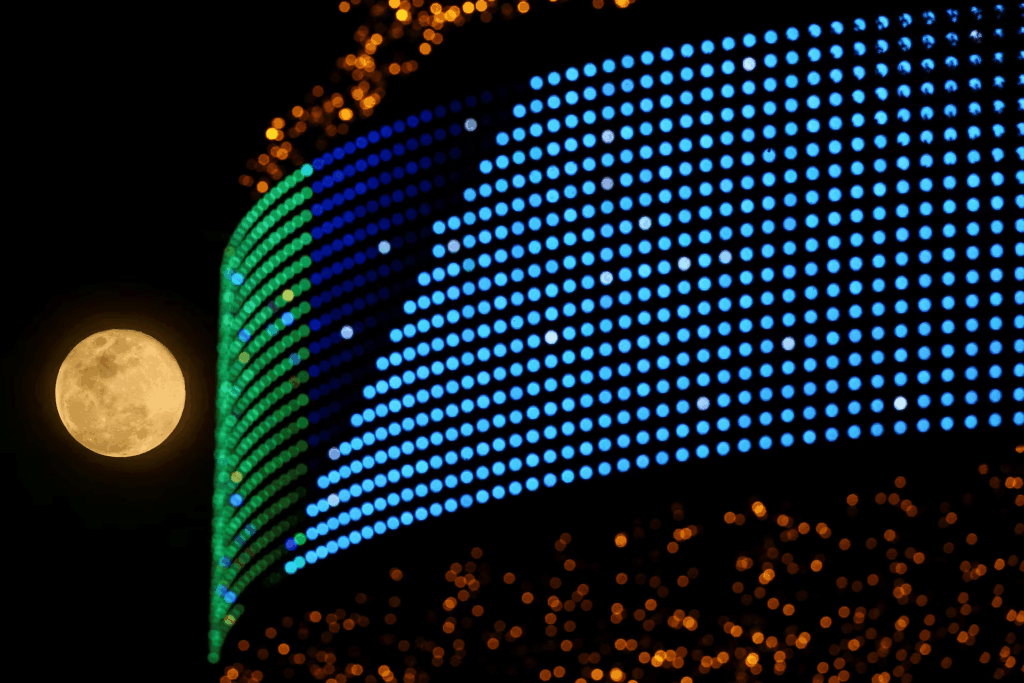
Photo: REUTERS / Jose Cabezas
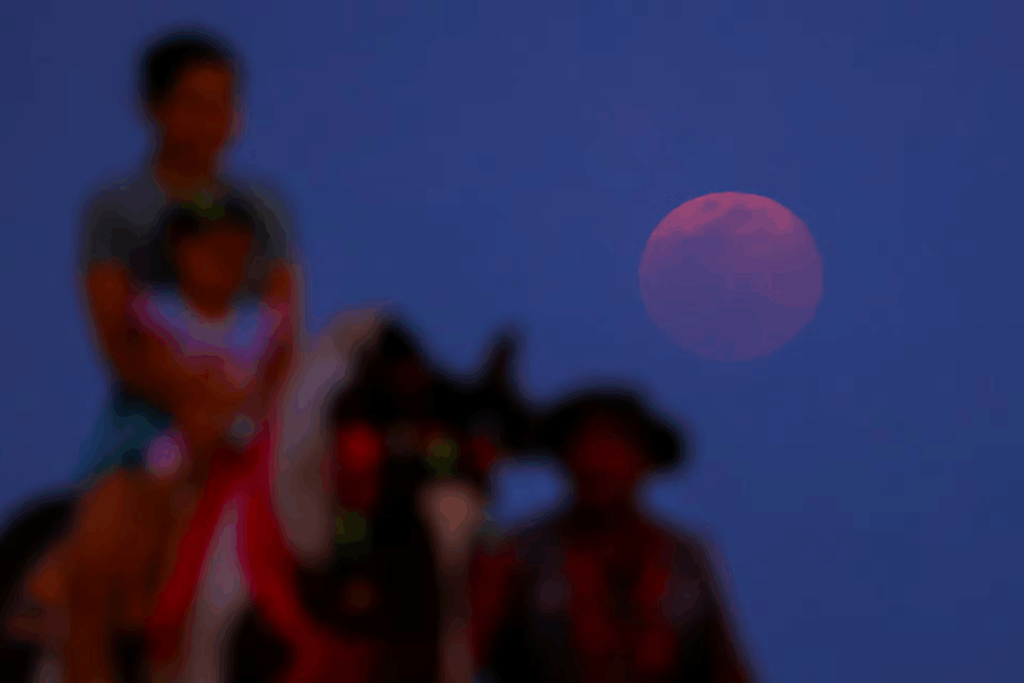
Photo: REUTERS / Chalinee Thirasupa
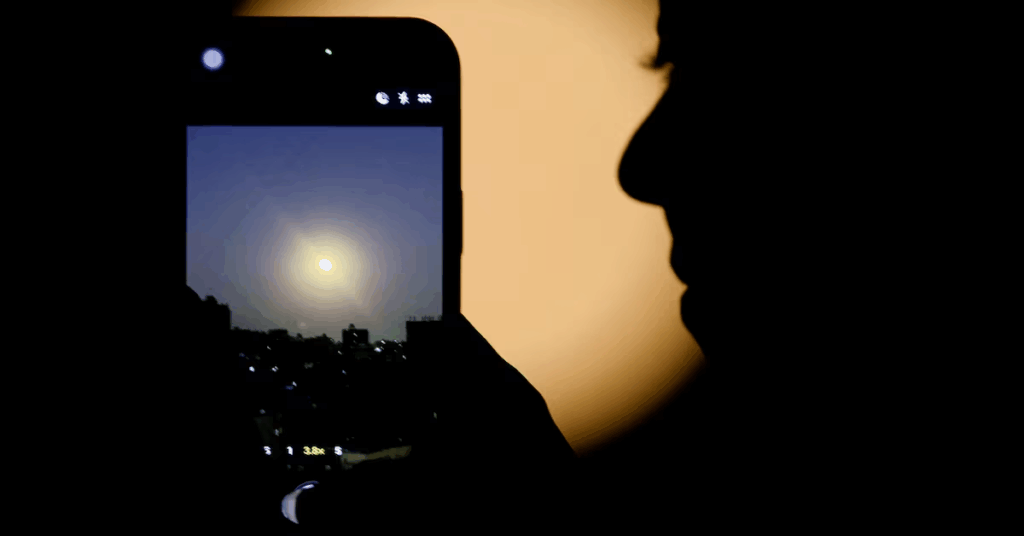
Photo: REUTERS / Mohamed Abd El Ghany
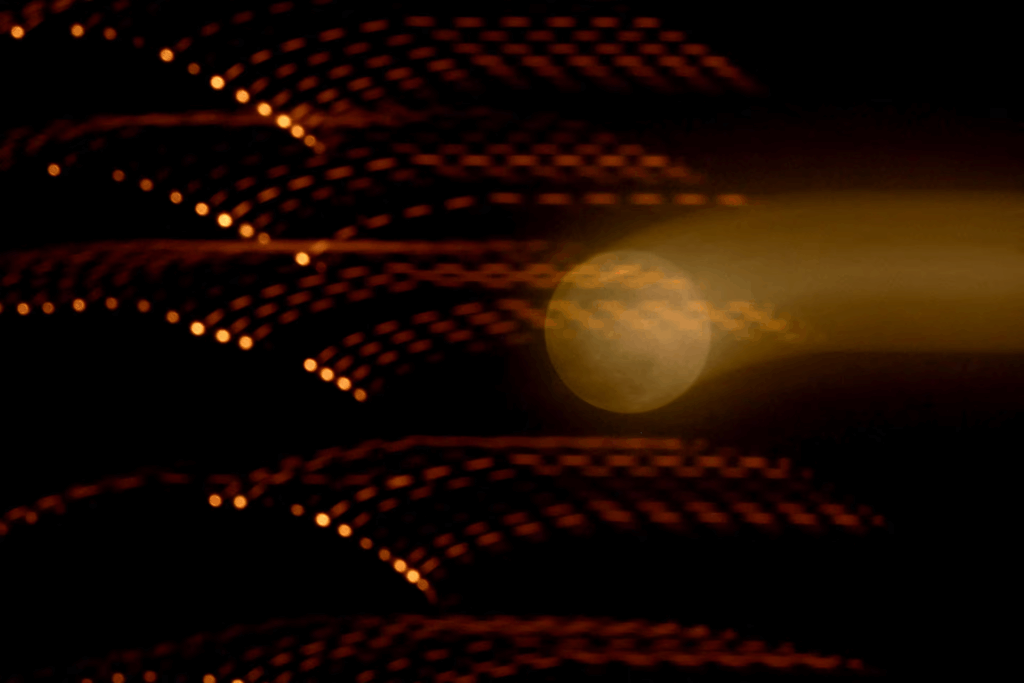
Photo: REUTERS / Jose Luis Gonzalez
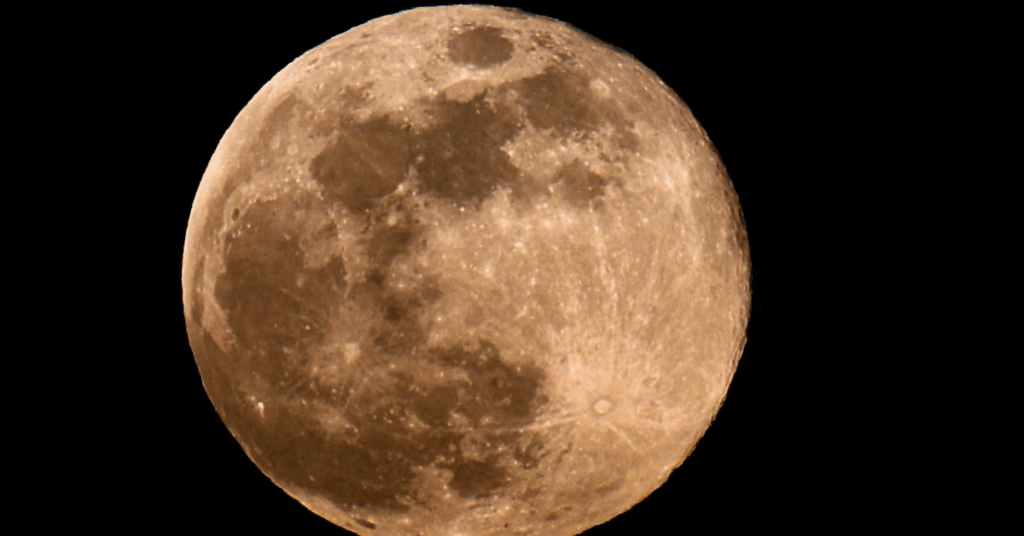
Photo: REUTERS / Mohamed Abd El Ghany

Photo: REUTERS / Akhtar Soomro
For just 1 TL per day, subscribe and gain unlimited access to all our content and support independent journalism! Subscribe Now!