“Toy Story 5”: The Struggle for Survival of Toys in the Age of Technology
Pixar's beloved Toy Story series, in its fifth film, revisits the struggle of toys to survive in a changing digital world, exploring the effects of the technological age.
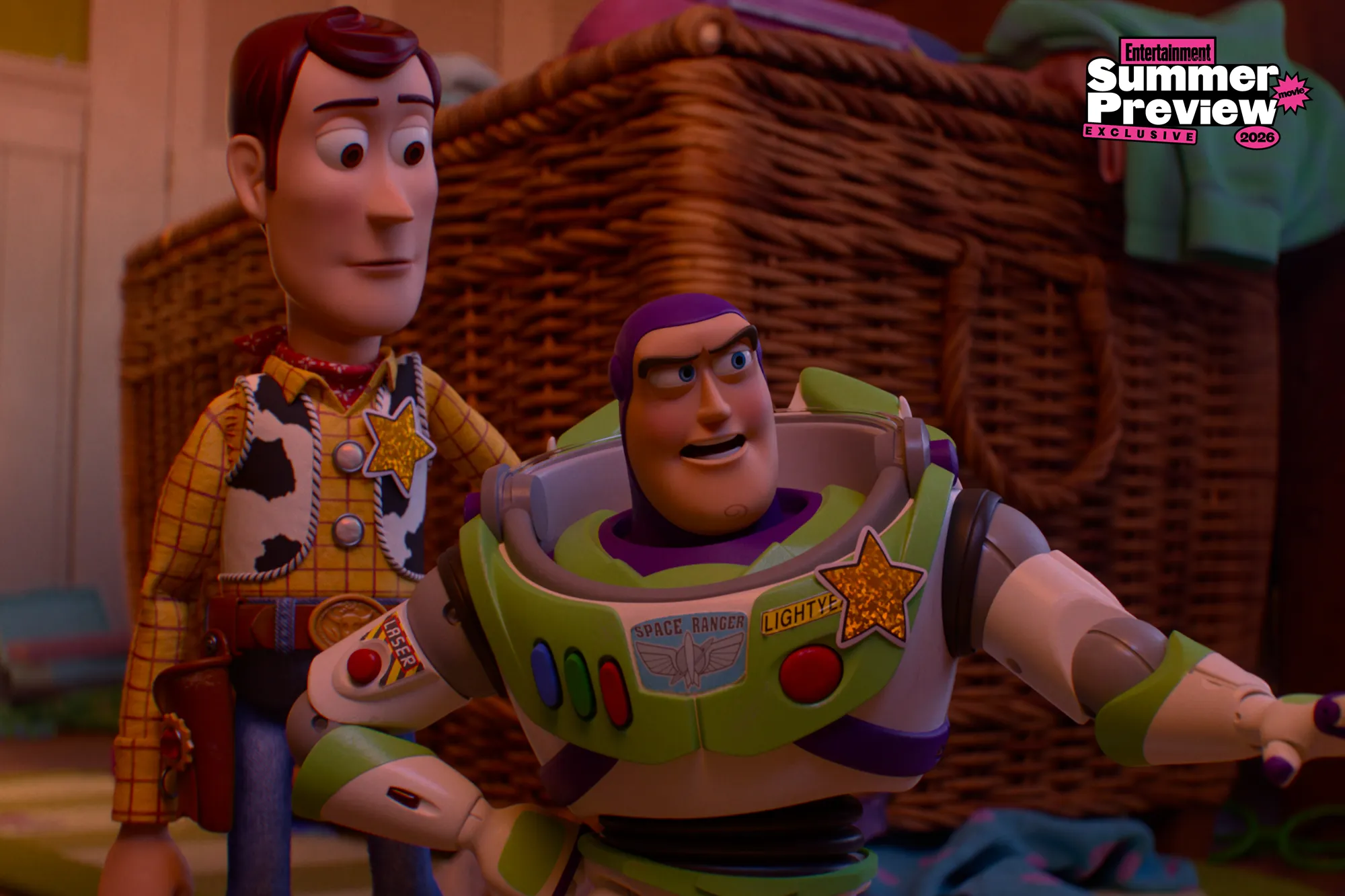
Pixar's beloved Toy Story series, in its fifth film, revisits the struggle of toys to survive in a changing digital world, exploring the effects of the technological age.
Pixar 's long-running "Toy Story" series is preparing to return to the big screen with its fifth film. An exclusive feature published in Entertainment Weekly reveals the film's creation process, story direction, and key details about the career of Andrew Stanton, the creator behind the series. The new film both references the series' past and centers on the impact of the modern technological age on childhood.
Basic Framework of the Story
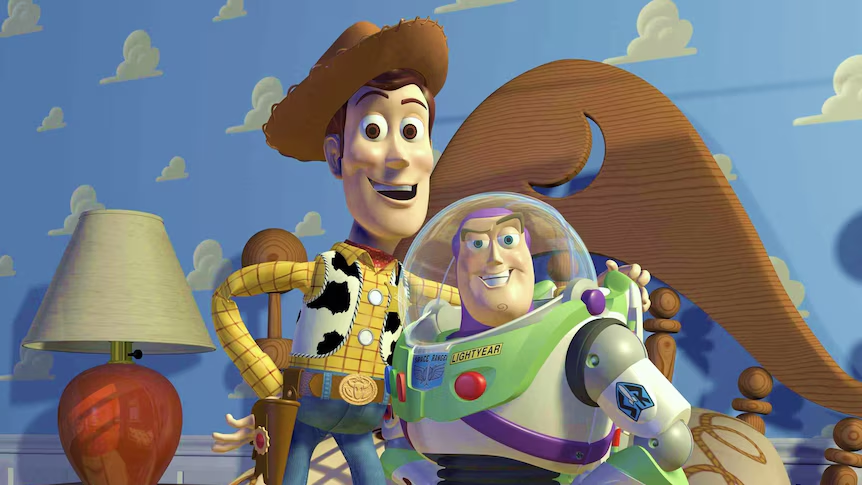
“Toy Story 5” is built around a story centered on the conflict between toys and technology. Classic characters like Woody, Buzz Lightyear, and Jessie reunite in the film. However, this time they face digital devices that are distracting children from traditional toys.
At the heart of the story is "Lilypad," a new generation of smart devices that threatens the place of toys in the world by changing children's play habits. This creates a new conflict that causes children to question the very existence of toys.
The Changing World of Toys
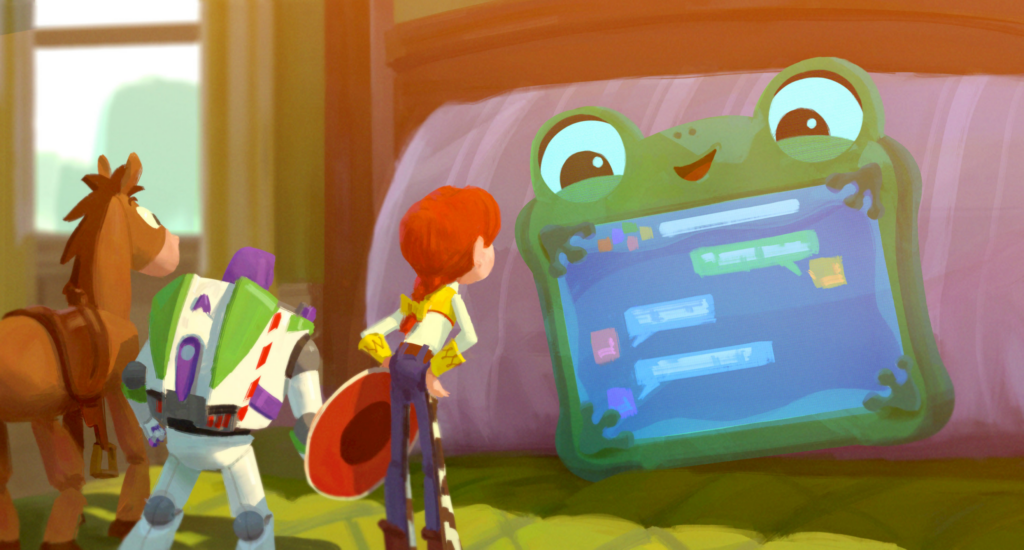
The new film in the series explores how the bond between children and toys has changed over time. The increasing prevalence of technology, leading children to spend less time with physical toys, forms the central conflict of the story.
Jessie takes on a leadership role in this process, while Buzz and the other toys try to adapt to the changing world. The story reopens the discussion, in the modern age, about the idea that toys exist for the purpose of "playing".
Andrew Stanton's Return
Andrew Stanton is in the director's chair for the fifth film in the series. Stanton has been a key figure at Pixar since its early days, working on significant projects such as "Finding Nemo," "WALL-E," and "Finding Dory."
His connection to the "Toy Story" series isn't limited to directing. His active role in the scriptwriting process for the first four films directly contributed to the series' narrative style.
Stanton's return to the series with the new film is considered an important element in terms of the emotional and thematic continuity of the story.
The Theme of Technology and Modern Childhood
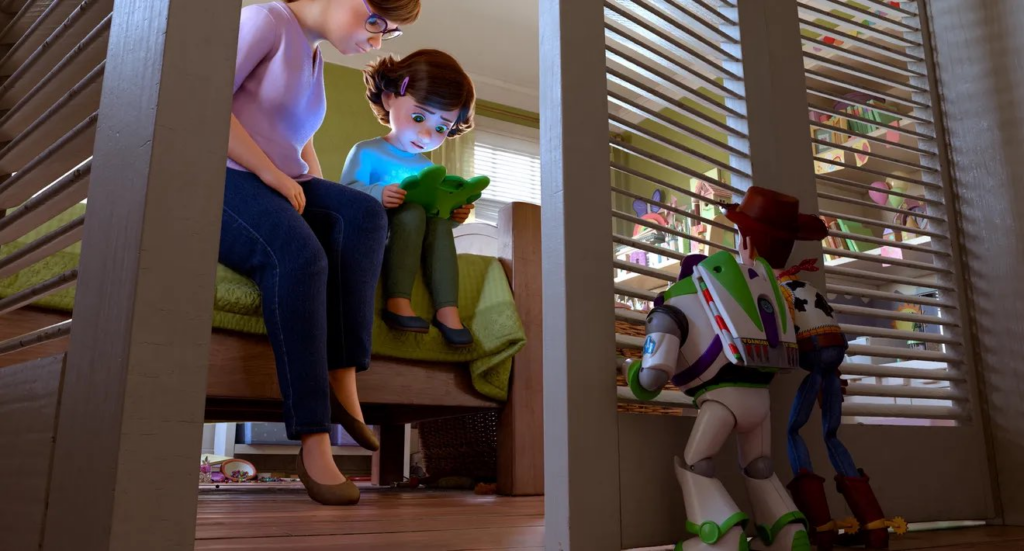
One of the most important themes highlighted in the film is the relationship between children and technology. Tablets, smart devices, and digital games are increasingly replacing traditional toys.
This situation leads the toys to begin feeling "unnecessary." The story addresses this transformation within both an emotional and humorous framework. The purpose of toys is redefined in light of the habits of the modern world.
Jessie's Leadership and Character-Focused Narrative
In the new film, Jessie takes on a more central role. She assumes leadership responsibilities among the toys, creating a narrative structure that emphasizes character development within the series.
Jessie's leadership encompasses both emotional decision-making and crisis management, while Buzz Lightyear takes on a more strategic and supportive role. Woody's return to the story strengthens the emotional aspect of the narrative.
New Characters and Expanding Universe
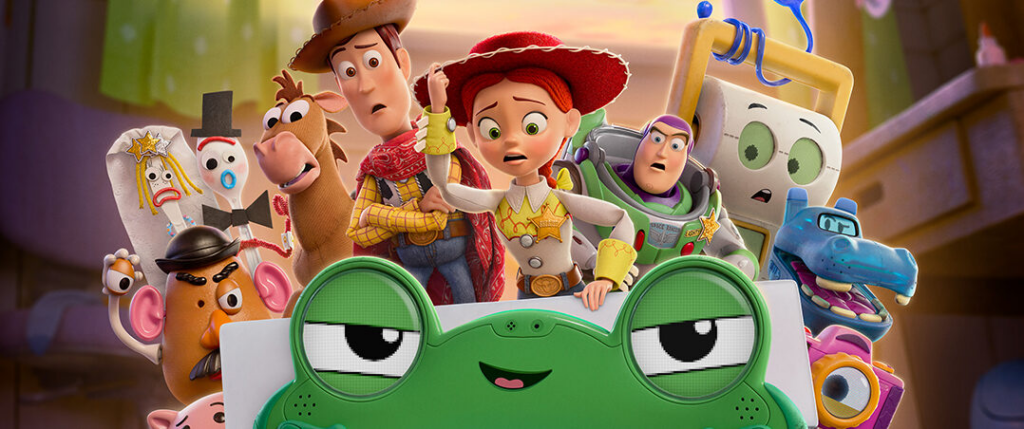
The film features not only the old characters but also new toy and human characters. These new characters contribute to the story in both comedic and dramatic ways.
Furthermore, the role of the Lilypad device in the story leads to technology being treated not just as a tool, but also as a character. This is seen as an element that expands upon the series' classic toy-centric narrative.
Emotional Themes and the Legacy of the Series
The " Toy Story " series has always been built around themes of growth, separation, and commitment. These themes continue in the fifth film, but are reinterpreted with the influence of the modern age.
The fear of toys being forgotten takes on a broader meaning when combined with changing childhood habits. This approach ensures that the series appeals not only to children but also to adult audiences.
The film was developed as part of Pixar's long production process. It sets high expectations in terms of animation quality, story depth, and character design.
The worldwide success of previous films in the series is creating significant anticipation for the new installment. Given the series' reputation for emotional final scenes, a similar impact is expected with this new film.
“Toy Story 5” stands out as a production that blends the classic toy story with the realities of the modern technological age. Andrew Stanton's return strengthens the narrative integrity of the series, while the technology theme adds a contemporary dimension to the story.
The struggle for survival among toys is re-examined alongside the changing concept of childhood. In this respect, the film is not only a sequel but also an interpretation of the contemporary experience of childhood.
For just 1 TL per day, subscribe and gain unlimited access to all our content and support independent journalism! Subscribe Now!