
 Science
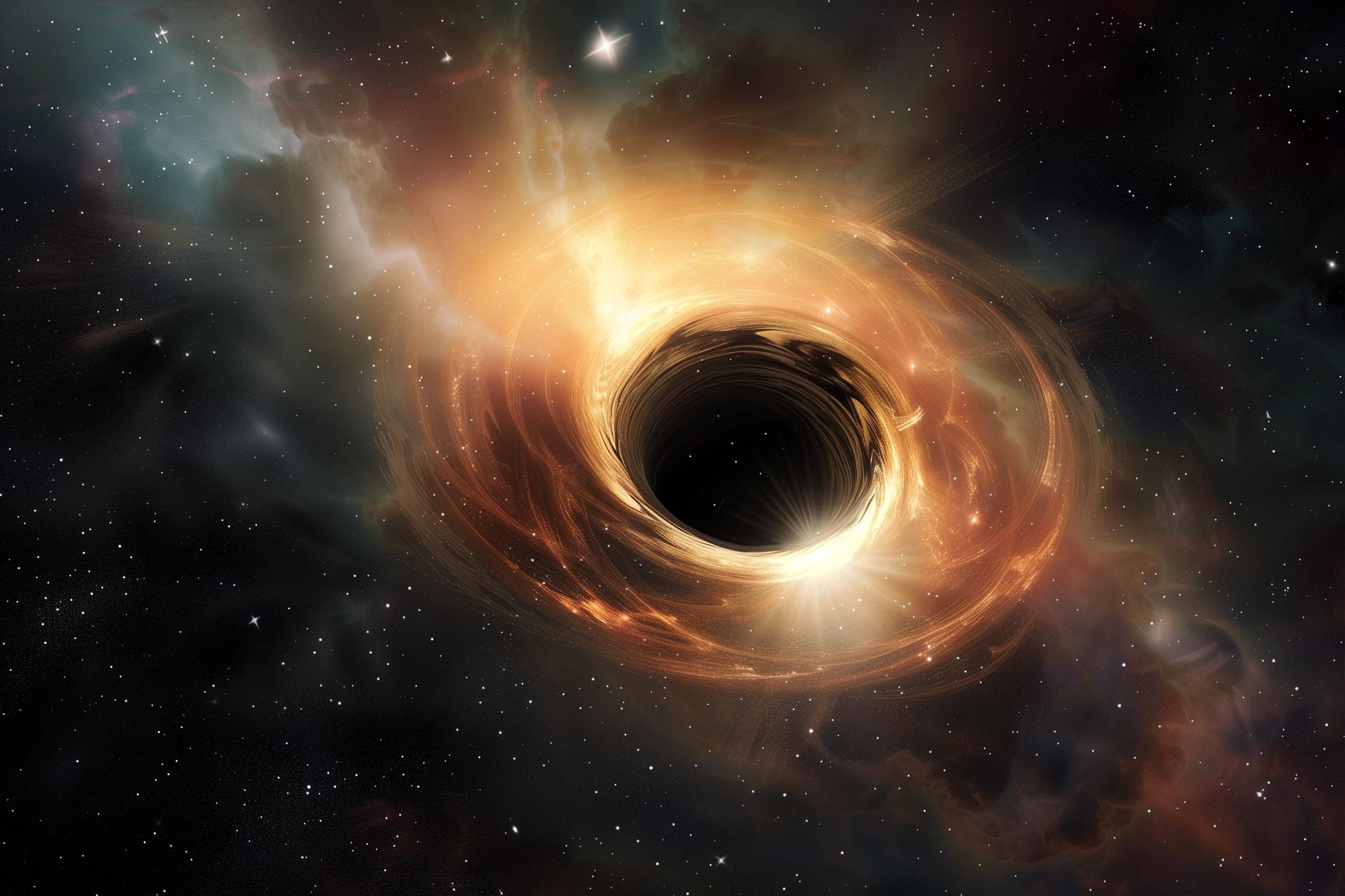
JWST's "Extremely Massive" Black Holes Are Actually Smaller
Astronomers studying the population of early black holes discovered by the James Webb Space Telescope—which are unusually low in X-ray emissions and described as "extremely massive"—have reached a striking conclusion: These black holes are actually…
Latest News
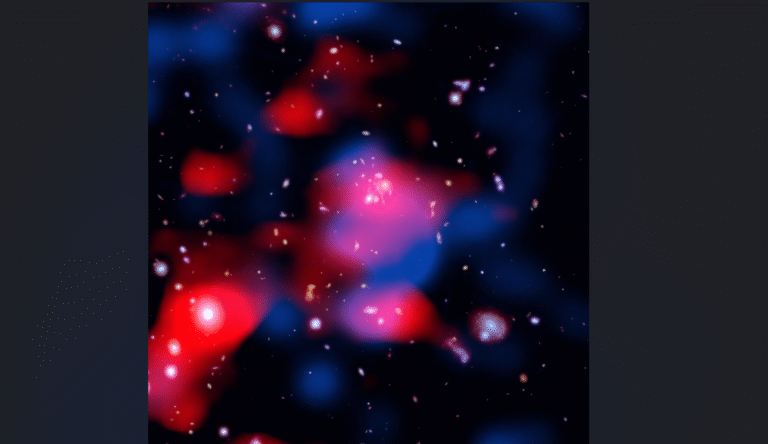
A newly discovered radio halo 10 billion light-years away reveals that galaxy clusters in the early universe were already filled with high-energy particles. This finding suggests that ancient black clouds...

A group of scientists led by Priyamvada Natarajan from the Department of Astronomy at Yale University set out to determine how large black holes can grow. The scientists also investigated the factors that influence the growth of black holes…
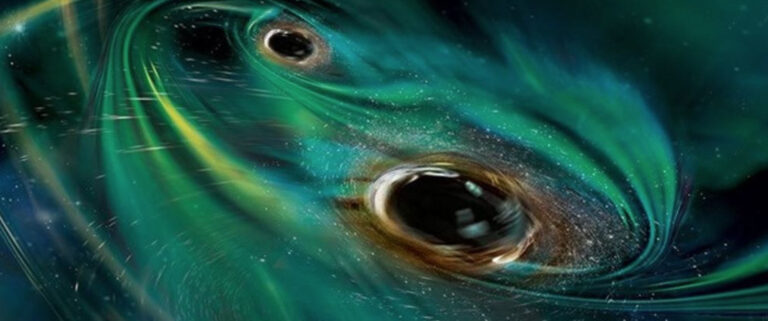
The high-energy light burst named AT 2021hdr, observed in March 2021, has been discovered to recur at regular intervals. Studies suggest that the event is related to a binary black hole system in a large interstellar cloud…

NSF NOIRLab astronomers, using data from the James Webb Space Telescope (JWST) and the Chandra X-ray Observatory, have identified a dark entity that consumed matter at an incredible rate in the early universe…
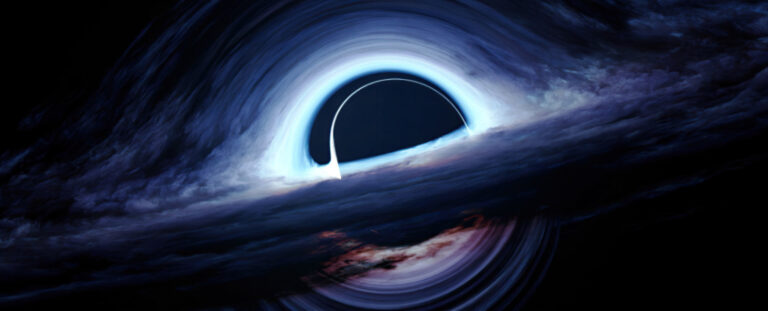
In the early universe, supermassive black holes were found in greater numbers and greater mass than expected. New theories are being developed about the growth processes and formation mechanisms of black holes.
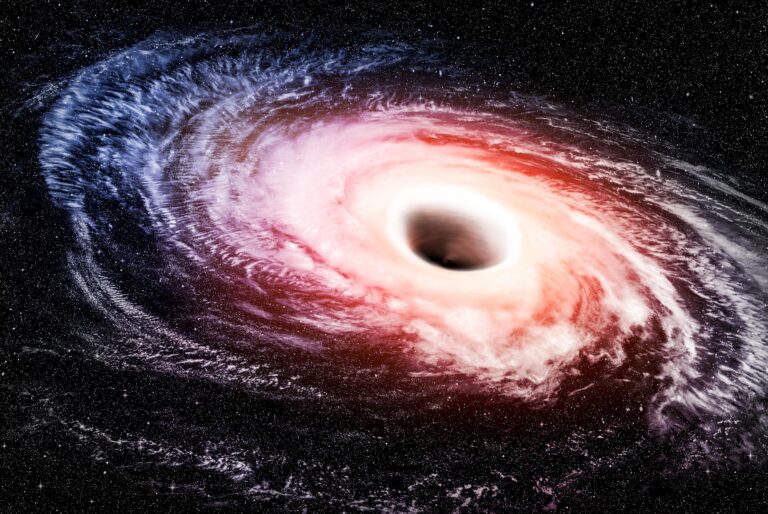
In 1971, Roger Penrose proposed a method for obtaining energy from rotating black holes, known as the Penrose Process. Harvard Professor Avi Loeb, by rotating a small black hole around a planet, followed Hawking's method...
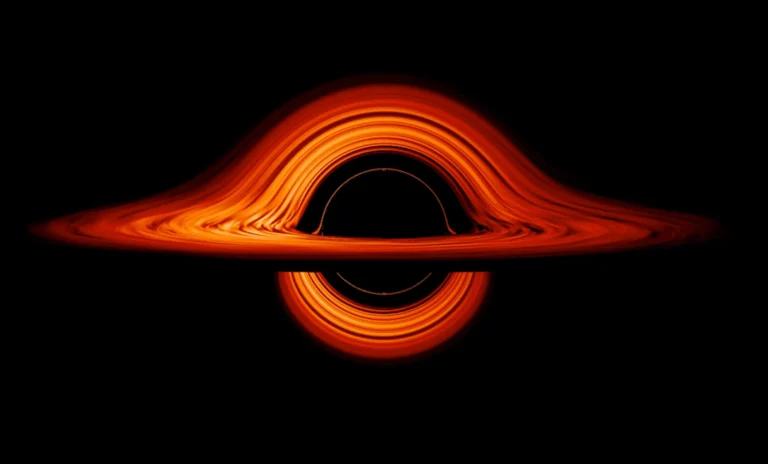
NASA is drawing viewers into the mystery of black holes with a black hole simulation produced on its supercomputers. Enriched with various videos and relativity theory, this simulation offers two different scenarios to experience…
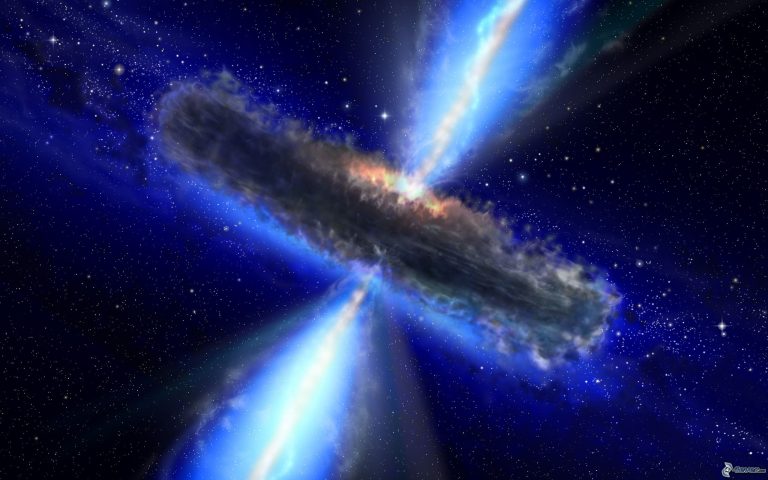
Astronomers have discovered that inside a distant quasar called APM 08279+5255, hidden within a supermassive black hole 12 billion light-years across, is potentially the largest and most massive object in the universe…
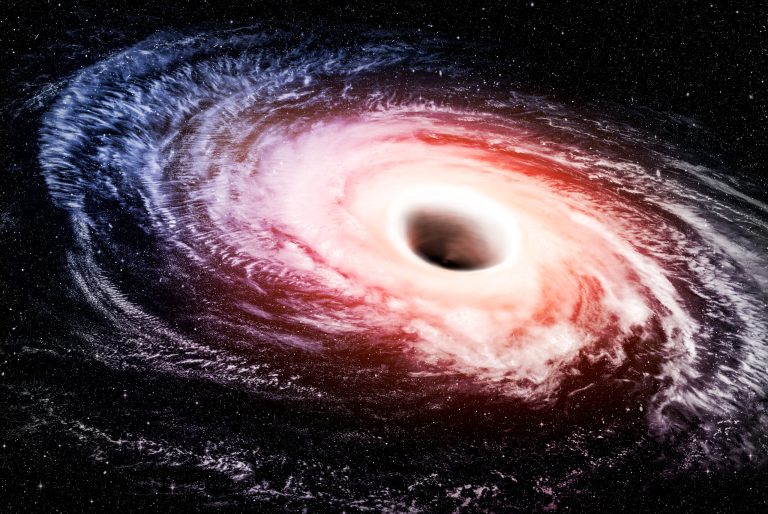
Black holes are one of the most powerful objects in the universe. A new theoretical study claims that humans may be able to harness this power as an energy source. According to the study, black holes...