Pichai admits: Google's AI search results are 'more biased than they should be'
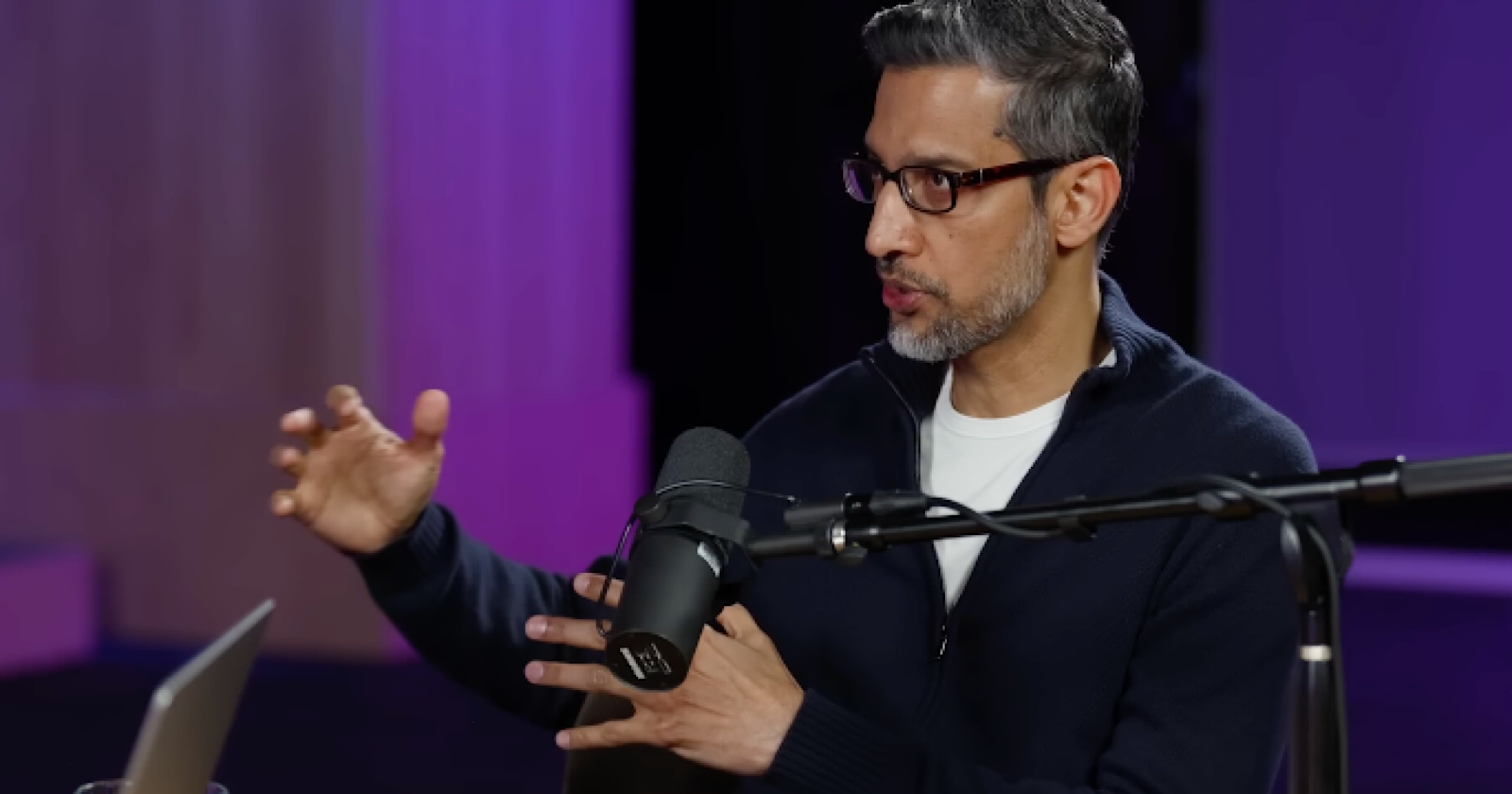
Google CEO Sundar Pichai admitted that AI-generated search results can be "more biased than they should be," and confessed there is "room for improvement" in the company's AI Overview feature after being shown a live example during a podcast interview.
A live demo led to a candid confession.
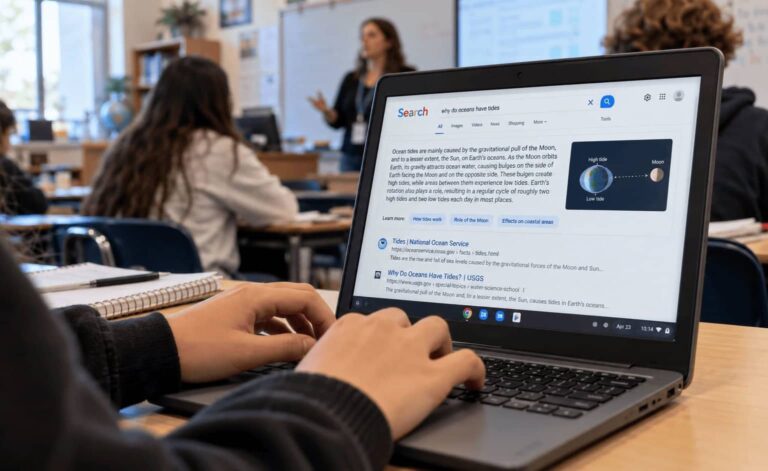
This admission came during a Decoder podcast interview with Nilay Patel of The Verge, recorded after Google I/O 2026. Patel showed Pichai the “best Chromebook” search result on her phone; the AI Overview confidently offered a product recommendation. Below that were a Reddit result and a New York Times result, both offering different answers.

Pichai said, “He probably gave a more assertive response than necessary to the query you showed me. That was my initial reaction as a user as well. I see this as an area that needs improvement in a rapidly evolving field; however, I expect these kinds of improvements to happen in the product.”
Pichai suggested that the result may have been personalized according to Patel's usage habits; however, he did not deny that the output was problematic.
Concerns Regarding Publisher Traffic Remain Unresolved.
The meeting also touched upon the ongoing tension surrounding the impact of Google's AI features on publisher traffic. Pichai stated that "return clicks have decreased," a phrase previously used by Google Search Vice President Liz Reid, who characterized the decline not as a decrease in useful visits, but as the elimination of low-quality traffic. Google has not released any publisher-specific data to support this claim.
Patel read a quote from Condé Nast CEO Roger Lynch in which he allegedly told his teams to plan for zero search traffic. Pichai refrained from objecting to this planning decision, stating that he was “not in a position to tell such an established publisher what to think about their business or plans.”
According to a field experiment reported by Search Engine Journal, AI reduced external clicks on affected searches by approximately 38%. Alphabet's Q1 earnings report revealed a 19% increase in Google Search revenue; however, publishers are questioning whether this growth is working against them.
The Age of Agent Search
Pichai's remarks come at a time when Google is undergoing its most comprehensive Search transformation in recent years. At Google I/O 2026, the company announced that "Google Search is now AI Search," introducing Gemini 3.5 Flash-powered information agents, agent-like features, and follow-up question capabilities. AI Overviews now reach over 2,5 billion monthly active users; Google has begun to integrate traditional web search with AI Mode. Liz Reid described this process as "bringing together the best of the web with the best of AI."
Pichai frames the future of Search as an “agent manager” where users complete tasks across multiple threads instead of simply accessing links. However, his open admission that live results are currently falling short of expectations suggests this transformation is not yet complete.
For just 1 TL per day, subscribe and gain unlimited access to all our content and support independent journalism! Subscribe Now!

A computer engineer far from his beloved country, pursuing an academic career at the University of Toulouse, one of the world's best technical universities. He seeks a channel to enrich himself. dijitaliyidirwho discovered 'i and dijitaliyidir'e' is also a computer enthusiast who wants to contribute within his/her area of expertise.