Claim: Half of the document in which the Pope warned about AI was written by AI.
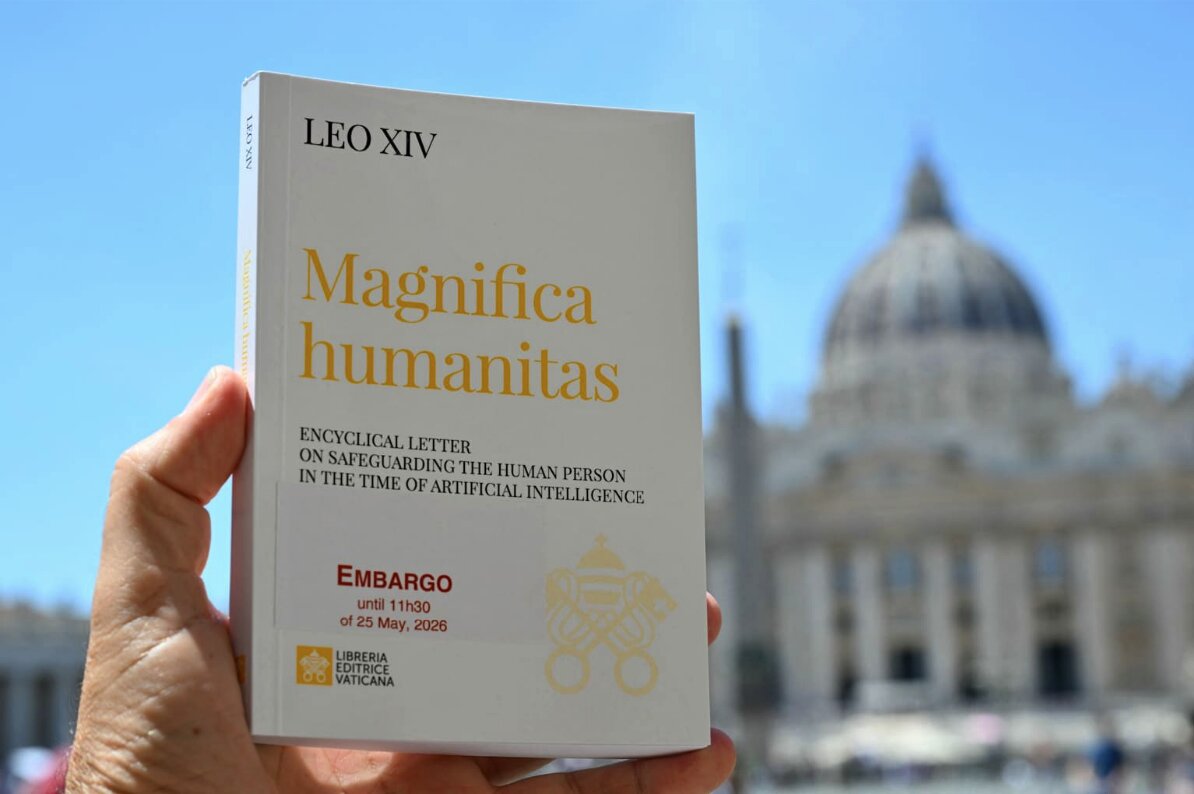
Pope Leo XIV's first encyclopedia, "Magnifica Humanitas," published on May 25, placed the Vatican at the very center of the ongoing global debate on artificial intelligence; reactions from the tech world have been quite varied. The LessWrong platform even claimed that 46% of the document was written with the help of artificial intelligence.
The 42.300-word document warns against the concentration of AI power in the hands of a privileged few and argues that machines can never replicate human morality. While the document received applause from AI security advocates, it was met with skepticism from those who found the idea unrealistic.
Silicon Valley's Response
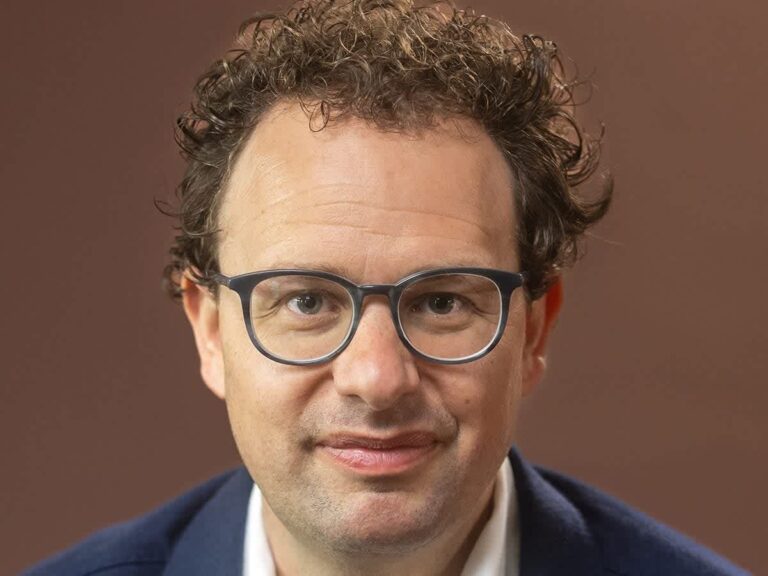
The most striking support came from within the AI industry itself. Chris Olah, co-founder of Anthropic, who was invited to speak at the launch ceremony of the AI in the Vatican, acknowledged that “every frontier AI lab, including Anthropic, operates within a set of incentives and constraints that can sometimes conflict with doing the right thing.” Calling the Church’s intervention “extremely important,” Olah argued that the industry needs “knowledgeable critics to tell labs when we’ve made mistakes” and “moral voices that incentives can’t silence.”
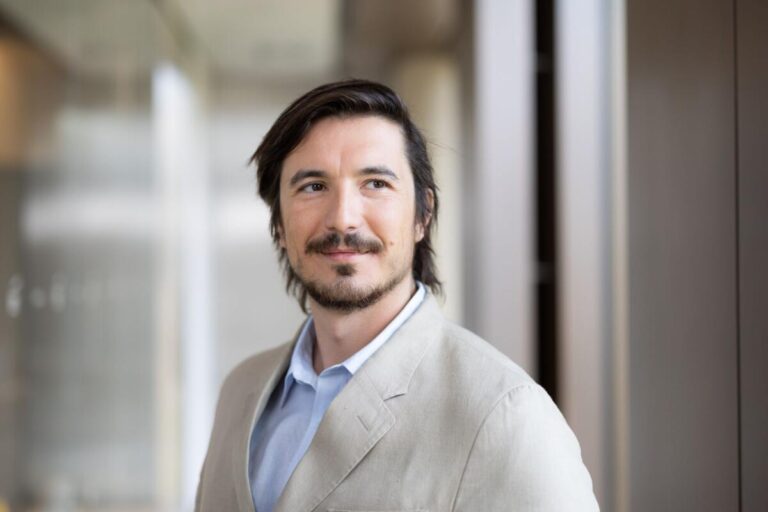
Not everyone in the tech ecosystem welcomed this approach. Blake Scholl, founder and CEO of Boom Technology, called it "a bad comment from the Pope" in a post on X, arguing that "technological revolutions create new jobs while eliminating some." Technology investor and former White House AI czar David Sacks took a more measured stance, agreeing with the Pope's view that AI should not lead to "domination or exclusion," but questioned whether granting broad regulatory powers to governments would pave the way for censorship and surveillance.
The Main Arguments of the Encyclopedic Letter
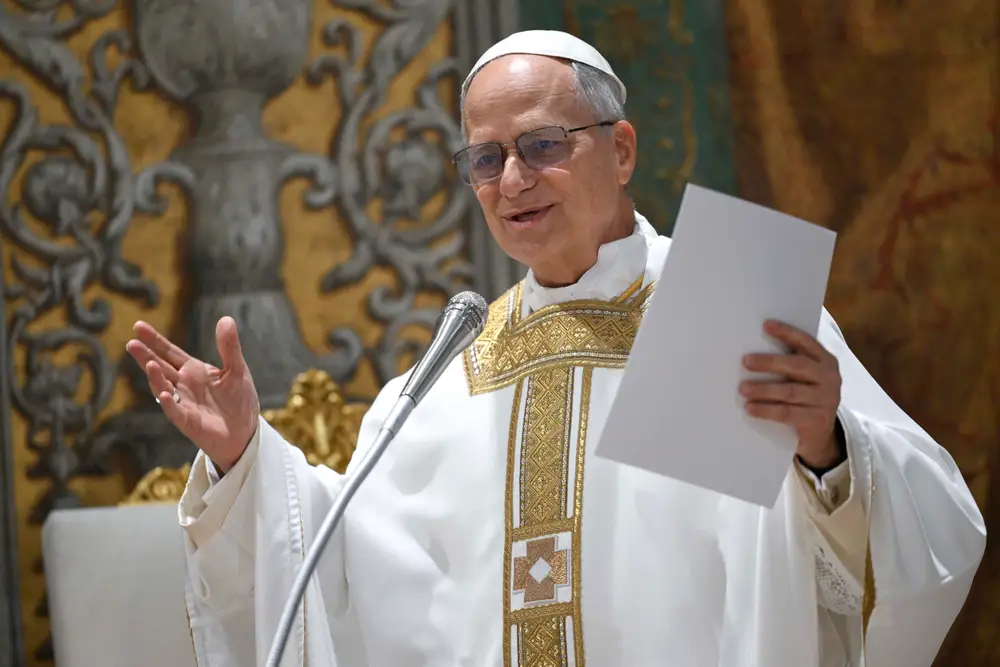
In the document, Pope Leo XIV, the first American pope, argues that artificial intelligence systems “lack personal experience, have no physical body, experience no joy or pain,” and “lack a moral compass.” Calling for the “disarmament” of AI, the Pope defines this concept not as a rejection of the technology, but as “liberating technology from monopolistic control and encouraging open debate.”
The encyclopedic letter advocates for government oversight of AI companies, retraining programs for employees, child protection measures, and a ban on autonomous weapons that make lethal decisions without human supervision. The Pope states, “In an age where everything is moving at a rapid pace, active political participation is essential to slow down progress.”
The claim that 46% was written with AI and ethical questions.
Whether the encyclopedia will change the course of artificial intelligence development remains unclear. US Ambassador to the Vatican Brian Burch attended the presentation, but stressed that the Trump administration prioritizes “pro-innovation policies that enable the private sector to develop transformative AI technologies.” Investigative journalist Gerald Posner, however, predicts that “the tech industry will likely ignore the general security recommendations contained in this comprehensive encyclopedia and move on.”
AI researcher Yoshiha Bengio, however, painted a more optimistic picture, writing that "the Vatican and other global institutions should play a role in the global dialogue on AI to raise public awareness." In an interesting paradox, an analysis shared on the LessWrong platform suggested that some sections of the encyclopedia may have been written with the help of AI; the Pangram detection tool identified 46% of the tested samples as AI-generated. The Vatican has not yet responded to this claim.
For just 1 TL per day, subscribe and gain unlimited access to all our content and support independent journalism! Subscribe Now!