Microsoft Introduces Project Zenith: A Specialized Windows 11 Experience for AI Developers
Microsoft officially announced Project Zenith on September 4th. This pre-configured Windows 11 experience, running on devices with at least 64GB of combined memory, allows developers to run AI models with 30 billion parameters locally without the cost of cloud resources.
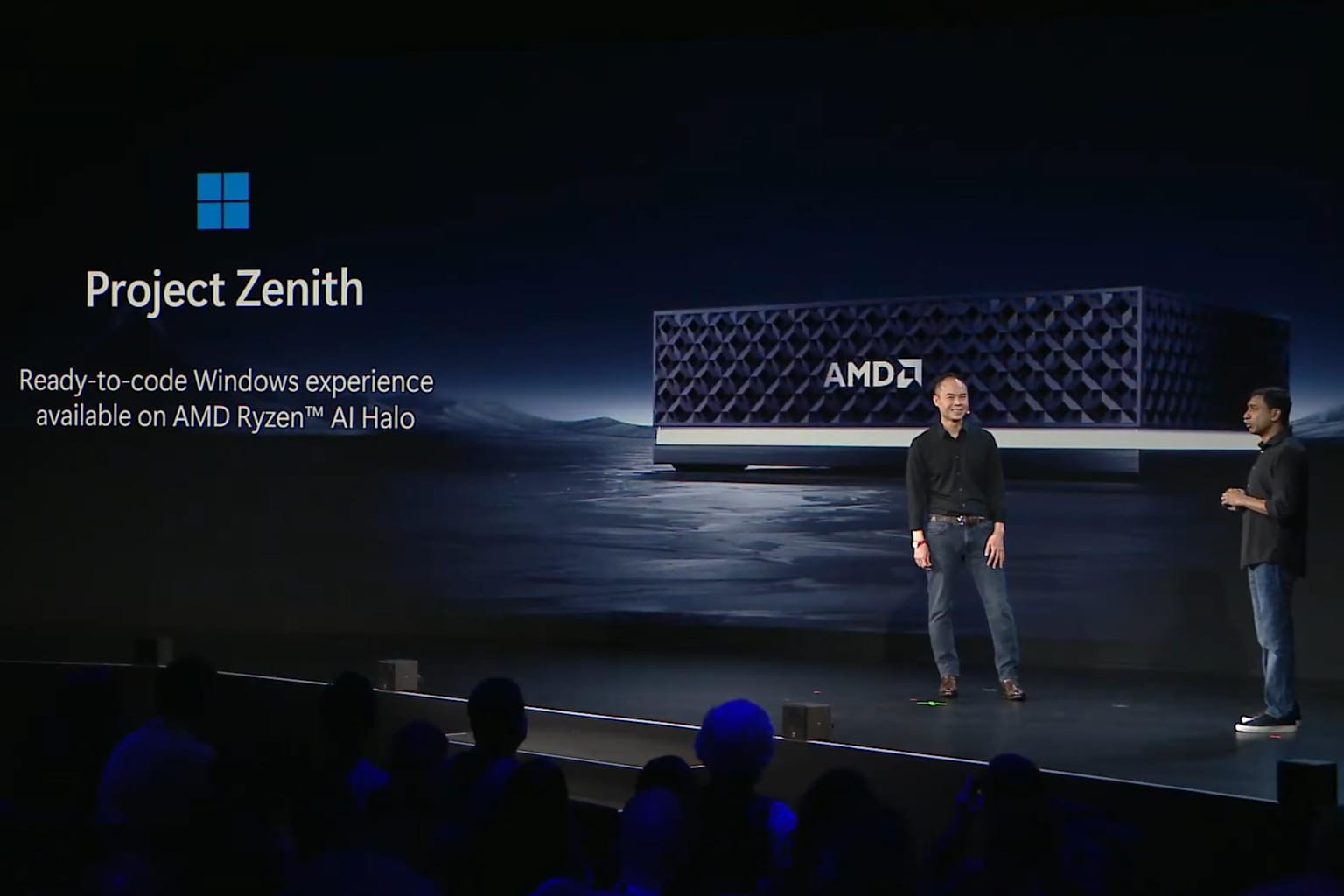
Microsoft has officially announced Project Zenith, designed to make developer-grade computers ready to use right out of the box. The project, first previewed at Build 2026 this year, was officially launched on September 4th. The pre-configured Windows 11 experience aims to enable the native execution of large AI models on next-generation hardware with high memory capacity.
Local AI, No Cloud Costs
Project Zenith is targeting a new tier of hardware with at least 64 GB of combined memory and memory bandwidth exceeding 250 GB/s. These devices allow developers to run AI models with 30 billion or more parameters natively and without a cost counter, reducing reliance on cloud-based inference and associated costs. Logan Iyer, corporate vice president of Windows platform and developer, stated that the devices come with a pre-configured Windows installation for development and a carefully curated suite of tools most used by developers. Visual Studio Code, GitHub Copilot, PowerToys, and Windows Terminal are pre-pinned to the taskbar by default.
AMD Leads the Way with Initial Hardware Releases

AMD unveiled the first Project Zenith device at IFA Berlin on September 4th. Powered by Ryzen AI Halo chips supporting up to 128GB of combined memory, this miniature computer boasts impressive specifications. Microsoft, along with other OEMs and silicon partners, announced that additional Project Zenith devices will be released in the coming months. This hardware breakthrough aligns with the industry-wide shift toward on-device AI. AMD positions its Ryzen AI Halo platform as a competitor to both the Apple M4 Pro and Nvidia DGX Spark, capable of processing models with up to 300 billion parameters in high-end configurations.
Strategic Moves for Developer Loyalty
This initiative is part of Microsoft’s broader effort to win back developer loyalty from its macOS and Linux environments. These two platforms have long been the preferred choice when it comes to AI and system-level work. By offering a Windows configuration that eliminates setup complexity, Microsoft is trying to keep more developers within its ecosystem encompassing Visual Studio, GitHub, and Azure. Logan Iyer commented: “As AI continues to transform software development, we are committed to evolving alongside the community that builds on Windows.”
For just 1 TL per day, subscribe and gain unlimited access to all our content and support independent journalism! Subscribe Now!