The Mysterious Side of the Cosmos: Cosmic Radiation
Studies have shown that cosmic radiation, caused by explosions in space and solar flares, affects everyone differently.
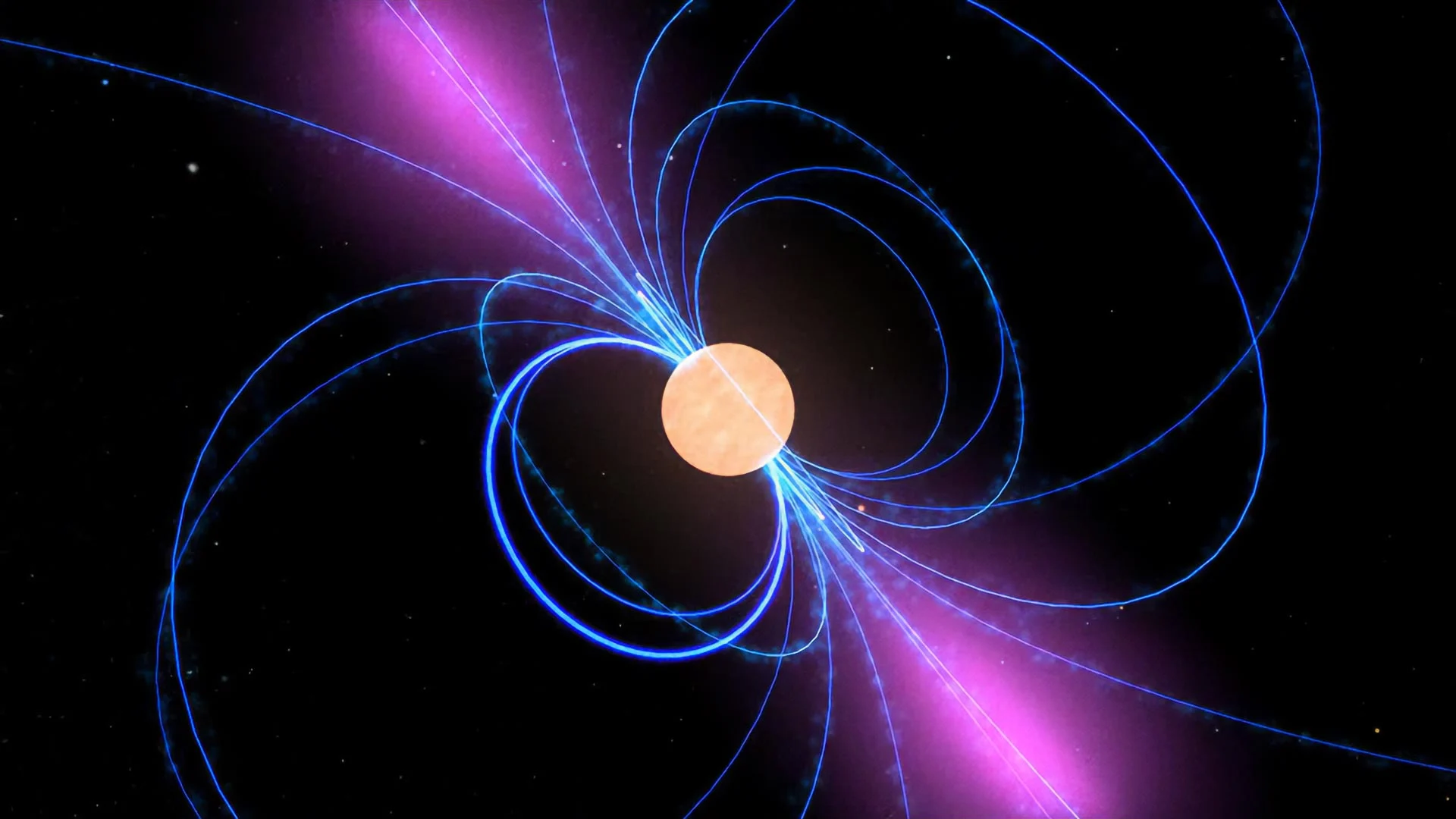
Studies have shown that cosmic radiation, caused by explosions in space and solar flares, affects everyone differently.
Details are here…
When we look at the night sky, we are usually fascinated by the twinkling stars, distant planets, and the sight of vast galaxies. However, beyond the visible spectrum, there is a more mysterious aspect of the cosmos: cosmic radiation.
According to Dimitra Atri of the Mars Research Group at the New York University Abu Dhabi Center for Astrophysics and Space Sciences, these are high-energy particles that travel through the universe at speeds close to the speed of light. They originate from events such as supernova explosions and solar flares, and travel through space, constantly bombarding Earth from all directions and entering its atmosphere.
In the Marvel movie, the Fantastic Four characters gained their powers after being exposed to radiation that fundamentally altered their DNA . While these high-speed particles unfortunately don't give you superpowers in real life, they can penetrate the human body.
High doses of cosmic rays can break down DNA molecules and damage biological tissues. Long-term exposure to cosmic radiation can increase the risk of cancer, cataracts, and reproductive problems. It can also inhibit neurogenesis, the process of producing new cells in the brain.
However, how much of this type of radiation the human body will be exposed to and how it will affect our health varies depending on the altitude and the precautions taken to protect us from it.
How does cosmic radiation affect you on Earth?
On Earth, we have a natural defense system against radiation that protects life on our planet: Earth's atmosphere and magnetic field. The atmosphere absorbs most of the energy from radiation, allowing only a small fraction to reach the Earth's surface. Our planet's magnetic field, generated by electrical currents in the Earth's core, protects the planet from most of the harmful space radiation.
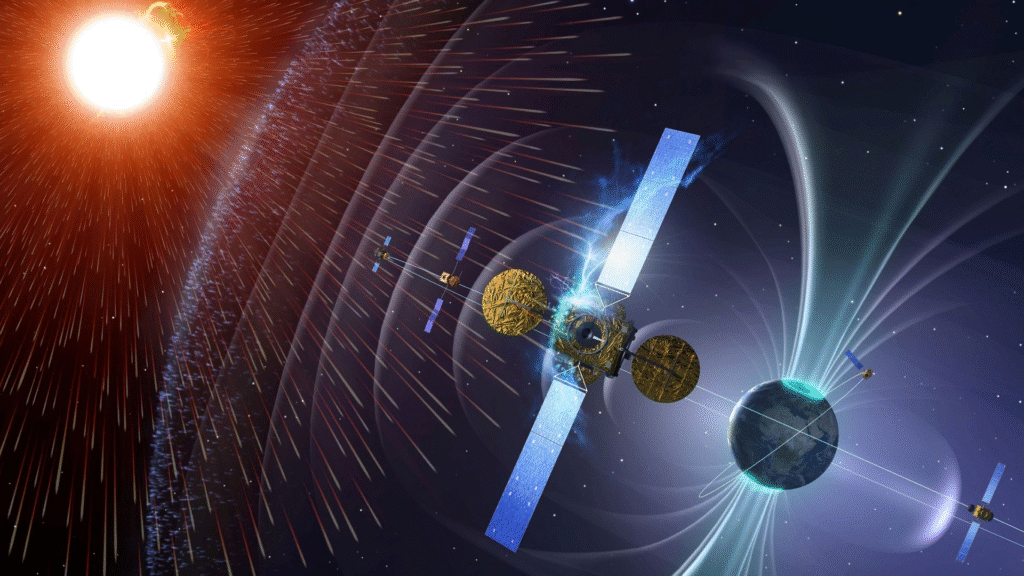
People on the Earth's surface are exposed to an average of three millisieverts of radiation per year. But altitude matters. "As you go higher, the atmosphere gets thinner and you're exposed to more radiation," says Atri.
The higher a person's altitude, the less atmospheric protection they receive from cosmic particles. People in high-altitude locations like Denver, known as the "Mile High City," experience slightly higher levels of cosmic radiation than those in sea-level locations like Miami.
How does cosmic radiation affect you on an airplane?
When air travel takes us to higher altitudes, it also brings us closer to high-energy particles emanating from space.
Although an airplane passenger is exposed to high levels of cosmic radiation, the radiation received in a single flight is negligible. For example, a round-trip flight from one coast to another is approximately equivalent to the radiation dose of a single chest X-ray.
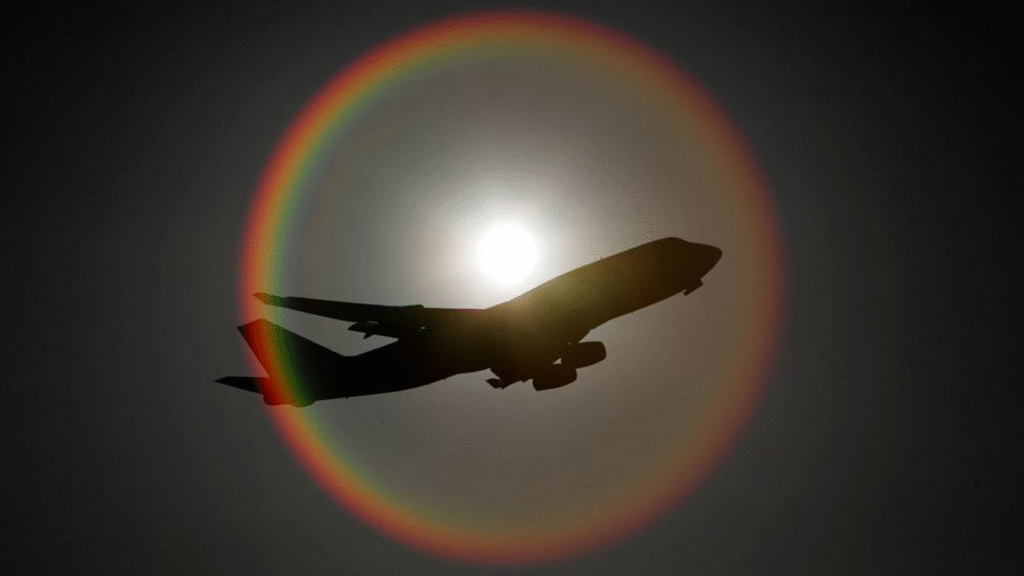
Pilots, flight attendants, and frequent flyers are exposed to more cosmic radiation due to the amount of time they spend in the sky.
A study by Harvard University concluded that radiation exposure contributes to occupational health problems and work-related cancer risks in flight crews. Other studies have shown that flight crews are generally exposed to more radiation than workers in nuclear facilities.
Compiled by: Damla Şayan
For just 1 TL per day, subscribe and gain unlimited access to all our content and support independent journalism! Subscribe Now!