Justin Bieber turned Coachella into a YouTube channel.
Instead of delivering a classic concert on the Coachella stage, Justin Bieber turned to YouTube, revisiting his past and performing on the same stage with videos of himself from his youth.
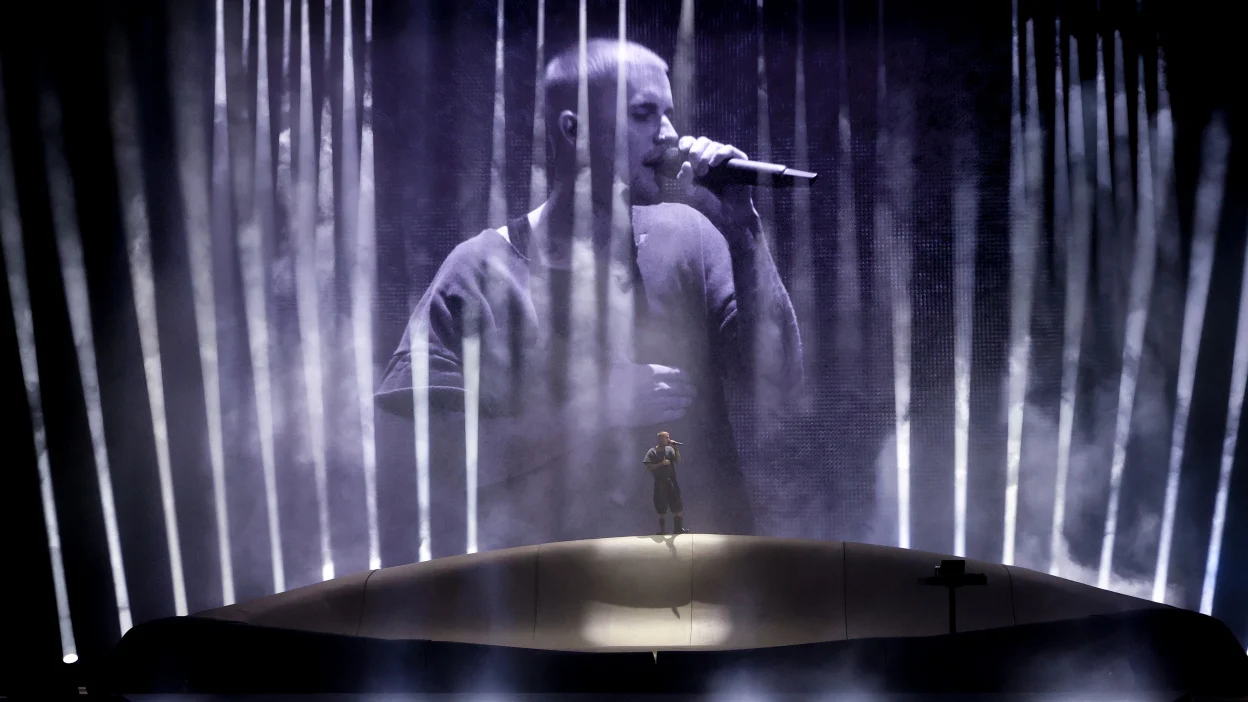
Instead of delivering a classic concert on the Coachella stage, Justin Bieber turned to YouTube, revisiting his past and performing on the same stage with videos of himself from his youth.
Justin Bieber didn't claim the past was behind him during his main stage performance at Coachella . Instead, he opened a laptop, went to YouTube, and sang directly to it.
On Saturday, midway through his 90-minute set, Bieber, the festival's second day headliner, began playing clips from his past performances on YouTube. He played old recordings of songs like "Baby," "Favorite Girl," "Never Say Never," and "Beauty and a Beat," seemingly performing duets with his youthful, messy-haired look that brought him fame.
The Most Remarkable Moment
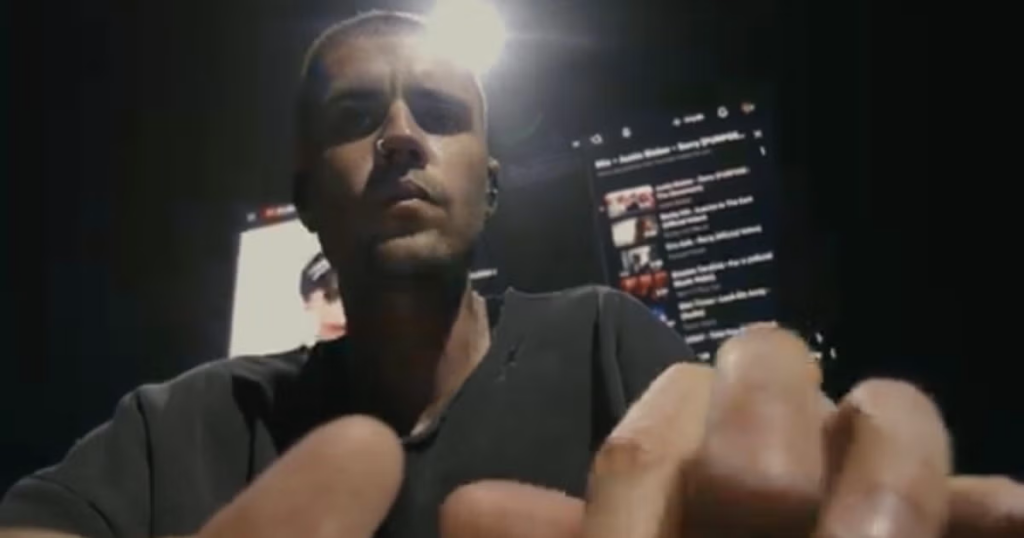
The most striking moment was when 32-year-old Bieber opened a low-quality video uploaded to YouTube in 2007 , featuring 12-year-old Justin Bieber singing Ne-Yo's "So Sick." This video was one of the first pieces of content that helped him get discovered.
This video was uploaded about 20 years ago. Back then, YouTube felt less like an endless stream optimized by algorithms and more like a place where talented kids singing in local competitions could be discovered. The internet wasn't yet regularly producing its own stars.
This was an extremely "meta" moment: Bieber sang on YouTube, which was live-streaming his performance to millions worldwide. At times, he looked at the camera, speaking to the audience as if he were video chatting with a friend from home; as if he weren't on the Coachella main stage.
Not just nostalgia.
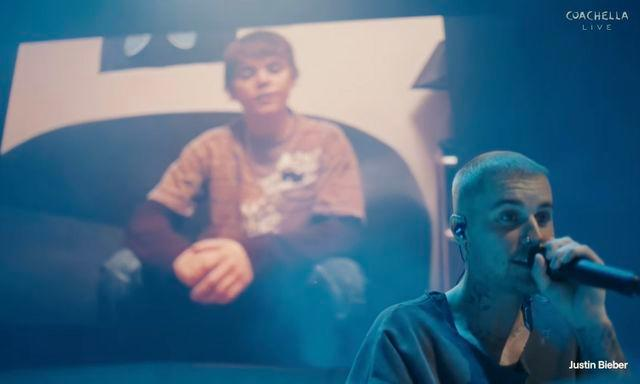
This moment wasn't just about nostalgia. Bieber is seen as one of the last major pop stars to emerge in an earlier era of the internet. Back then, it was still possible for a kid uploading videos from his room to become one of the world's biggest artists.
Today, the internet still produces stars, but these stars are more fragmented, more niche, and more segmented by algorithms. Platforms generate content creators, influencers, and ever-changing micro-celebrities, but very few "Justin Biebers" emerge.
The Emotional Impact of Performance
This situation made the performance unexpectedly emotional. Bieber wasn't just looking at his old videos; he was also looking at the kid the internet had turned into "Justin Bieber."
Many former child stars find it strange or upsetting when they look back at their past footage. But here, Bieber seemed at peace with it. He smiled in the videos, sang in tune with his younger self, and saw himself not as a brand asset, but as someone who could be encountered again.
This intimacy was further enhanced by the stage's understated structure. Coachella headliners are usually expected to feature massive stages, pyrotechnics, dancers, and visually stunning moments that go viral on social media.
Bieber, on the other hand, was mostly on stage with a hoodie, a laptop, a camera broadcast, and a few guest artists (The Kid LAROI, Dijon, Tems, Wizkid, Mk.gee).
A Stand Against Expectations
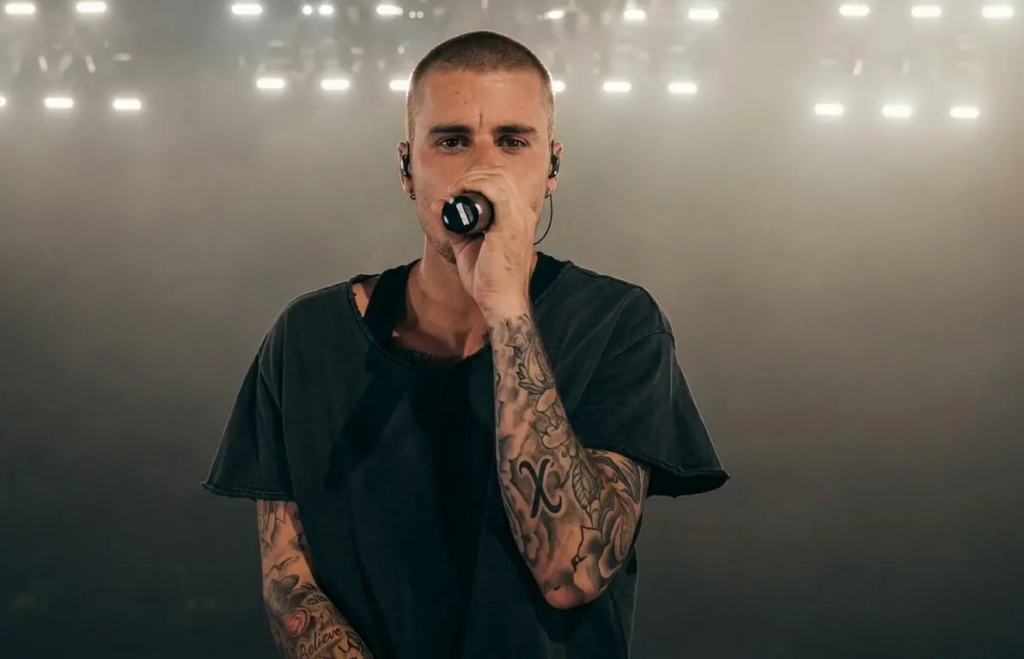
Some viewers found the performance lacking. The more understated approach was particularly noticeable in a festival slot where a major show was expected. Other big names performing that same day had delivered far more extravagant productions.
Some commentators also argued that a similarly understated performance by a female pop star might have faced harsher criticism. However, one of the most striking aspects of the performance was its complete defiance of these expectations.
The scene is like a "browser window".
Instead of creating a futuristic world for himself on stage, Bieber transformed the stage into a computer screen from around 2009: open YouTube tabs, a string of old videos playing one after another.
The sound performance was powerful, and the simple stage design, rather than weakening it, made the show safer. The aim here wasn't the show itself, but emotional openness.
Memes and Internet Culture
The performance's more bizarre and meme-focused moments were also part of this structure. Bieber repeated his own viral "standing on business" interview, opened up viral content like "Deez Nuts," and used the stage like a chaotic mess of browser tabs.
This was less of a classical concert and more like an experience where popular culture, internet memories, and personal history came together.
This performance also showed what it will be like to be famous in 2026: more of a living digital archive that anyone can return to at any time, rather than a polished story.
Old interviews, paparazzi photos, memes, viral moments, and forgotten videos coexist online and constantly resurface.
In this sense, the performance wasn't really about nostalgia. It was about what it means to live online for a long time, to have multiple versions of yourself simultaneously.
At Coachella, Bieber acted like someone browsing through their internet history; he smiled as he looked at the screens, trying to make peace with his old self.
For just 1 TL per day, subscribe and gain unlimited access to all our content and support independent journalism! Subscribe Now!