Iran is using ChatGPT and Gemini to strengthen its cyber operations.
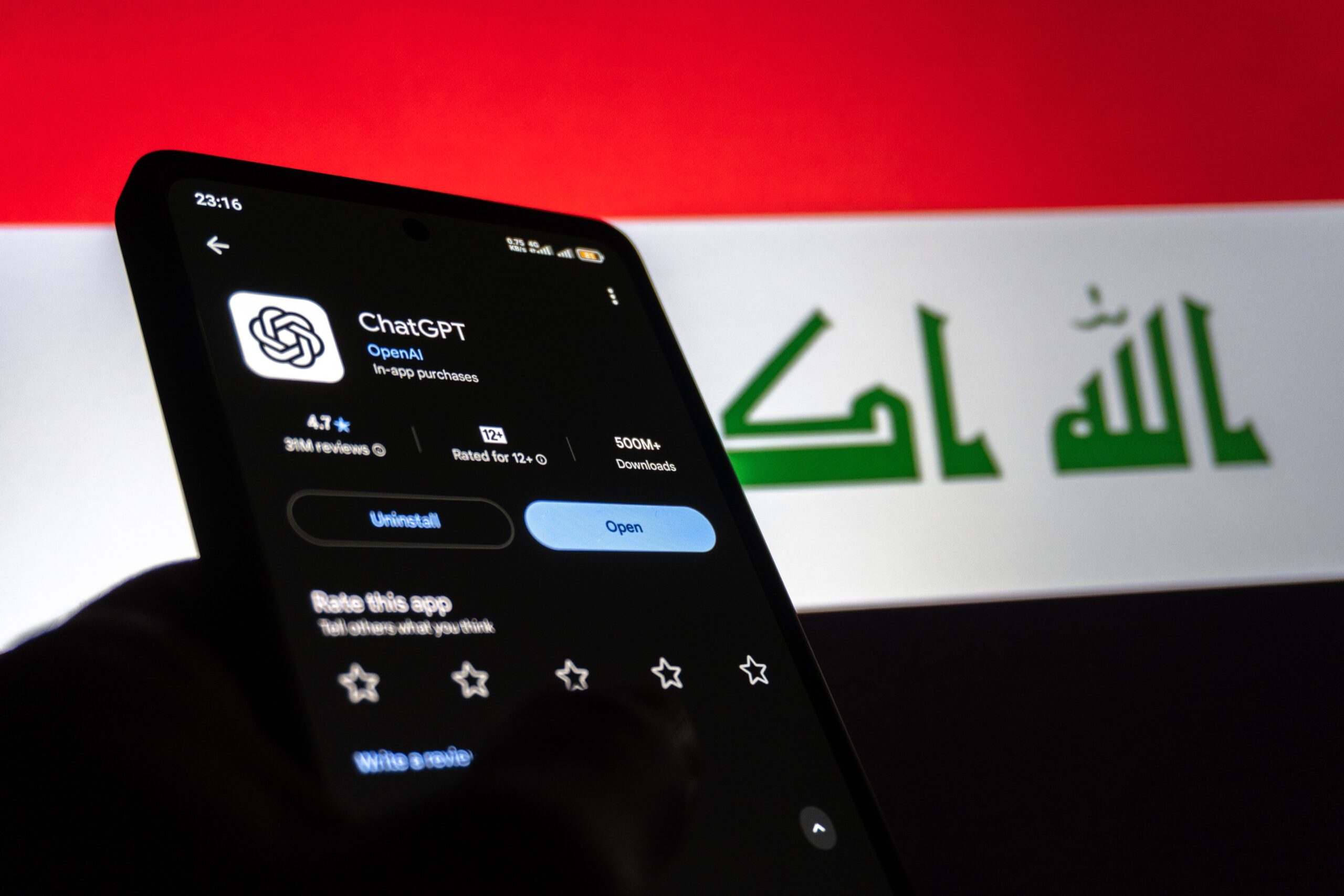
According to the Financial Times, Iranian military and cyber units are increasingly using Western AI tools, including OpenAI’s ChatGPT and Google’s Gemini, in developing malware, creating phishing messages, and conducting intelligence gathering operations targeting the U.S. and Israel.
AI-Powered Hacking Operations
A report based on information from cybersecurity researchers and Iranian officials revealed that Iranian-linked actors are using commercial AI systems to create fluent Hebrew and Arabic phishing campaigns, generate malicious code, create convincing online identities, and identify vulnerabilities in target networks. Researchers told the Financial Times that AI significantly reduces the barriers to conducting cyber operations, allowing Iranian hackers to produce far more sophisticated content and operate faster and on a larger scale.
These activities have been linked to APT42, an Iranian state-linked hacker group also known as “Charming Kitten.” The group reportedly used Google’s Gemini model to research various topics, including the jamming techniques used by American F-35 fighter jets. APT42 is also said to have impersonated journalists and academics, building relationships with targets over months before sending malicious links and utilizing deepfake voice cloning technology to bypass authentication processes.
Regional Implications: UAE Under Cyber Siege
The scale of AI-powered attacks extends beyond Israel and the United States. According to Dr. Mohammed Al Kuwaiti, head of the UAE Cyber Security Council, the UAE faces between 500.000 and 700.000 cyberattack attempts daily. Al Kuwaiti attributed the majority of these activities to Iranian-linked state-sponsored actors operating through more than 40 proxy organizations; he also noted that ChatGPT was among the tools observed being used in these attack chains.
These operations target critical infrastructure, financial services, and regional data centers, and utilize artificial intelligence for purposes such as reconnaissance, vulnerability detection, phishing email generation, malware development, and deep-seated fraudulent content creation.
Broader Military Applications
Beyond cyber operations, the Financial Times reported that Iranian officials are promoting broader military applications of artificial intelligence, such as in drone technology, electronic warfare, and battlefield decision support systems. These findings come to light amid an increasingly intense cyber conflict between Iran and its adversaries. Unit 42 of cybersecurity firm Palo Alto Networks recently documented Iranian hackers posing as job seekers, targeting software engineers in the aerospace and energy sectors through AI-generated fake job postings.
For just 1 TL per day, subscribe and gain unlimited access to all our content and support independent journalism! Subscribe Now!