Textbooks Come to Life with a New AI Tool!
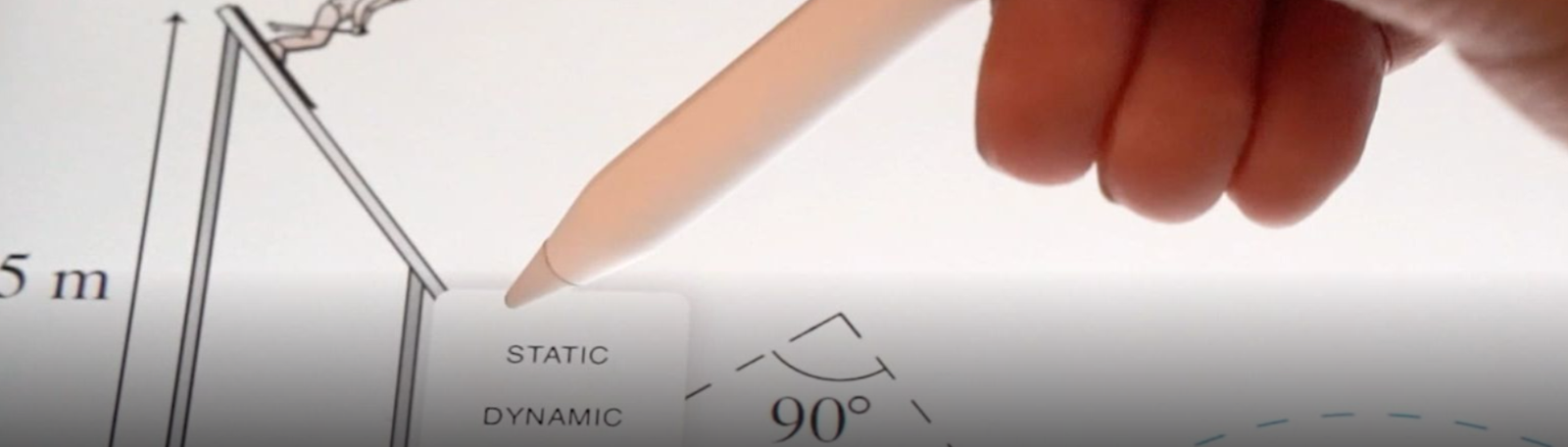
- A team at the University of Colorado Boulder has developed a new AI tool that transforms static diagrams from textbooks into 3D simulations.
A team of computer scientists led by Ryo Suzuki has developed a tool that allows students to reimagine the ordinary diagrams found in any physics textbook. This tool transforms static images into interactive 3D simulations.
What is possible with "Augmented Physics"?
This new tool, called “Augmented Physics,” allows students to save a diagram from their textbook using their iPads. After users configure some settings, the tool uses artificial intelligence to move the objects in the diagram. For example, when a diagram of a skier is saved, the tool can make the skier slide downhill, jump, and glide through the air.
These simulations are also scientifically accurate: students can adjust the friction of the snow to make their skiers move faster or slower.
Suzuki sees the project as an opportunity to reinvent textbooks and give students the chance to not just read about physics, but to see concepts like momentum and electric currents in action.
“We believe the future of education and learning should be more interactive and personalized,” says Suzuki.
How is it working?
The tool uses Meta’s “Segment Anything” model, a computer visualization tool that allows users to click to isolate specific objects (like a dog or a face) in a photo. Similarly, through “Augmented Physics,” students and teachers can select various objects within a diagram and assign roles to them. AI then moves these objects by applying some basic physics laws, such as the force of gravity.
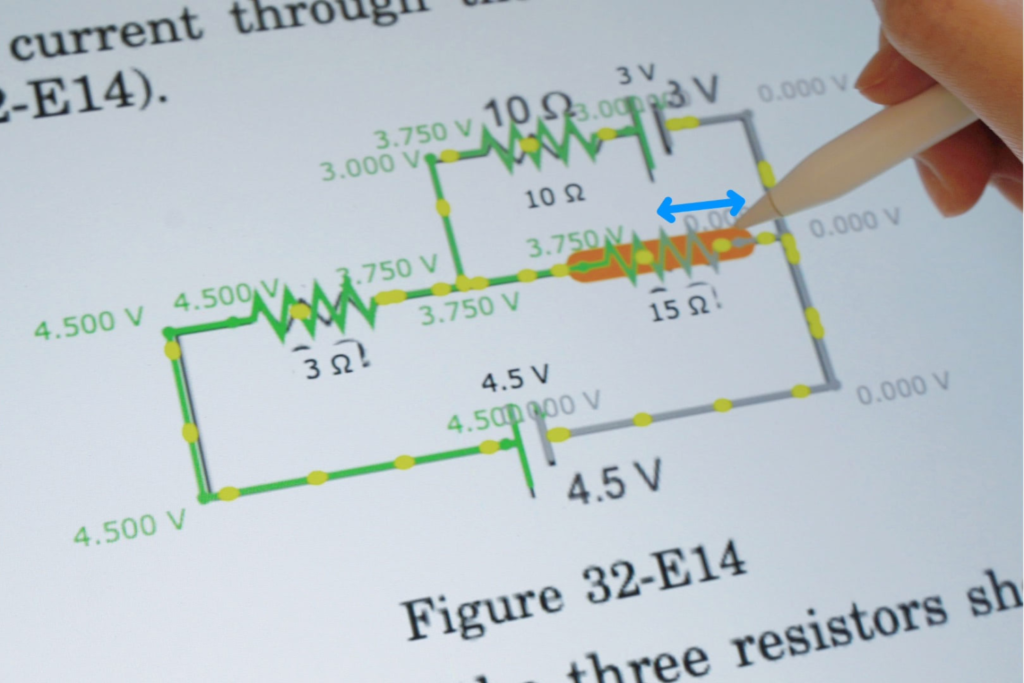
The tool also works for a variety of diagrams, such as optical diagrams (for example, to simulate how a prism refracts sunlight) and electrical circuits (to see how currents move along wires).
What does the future hold?
The team designed their product based on feedback from real physics students and science teachers. One educator said they were impressed by the tool's ability to help students conduct "their own little experiments."
Suzuki states that the tool is not yet perfect. For now, it can only convert a brand-new diagram into a simulation with 60% accuracy. However, the team is working to improve these success rates.
Ultimately, researchers aim to go beyond physics and use similar technology to transform any diagram in any document into a vibrant 3D world that students can step into with the help of augmented reality glasses.
Compiled by: Enis Yabar
For just 1 TL per day, subscribe and gain unlimited access to all our content and support independent journalism! Subscribe Now!