She Forced Men to Work Under duress: Dame Stephanie Steve Shirley Dies at Age 91
Dame Stephanie “Steve” Shirley, a pioneering figure in the world of information technology, passed away at the age of 91 after a short illness. Shirley, who arrived in the UK as a Kindertransport refugee, contributed to gender equality in the sector by founding a women-led software company and donated millions of pounds to autism research.
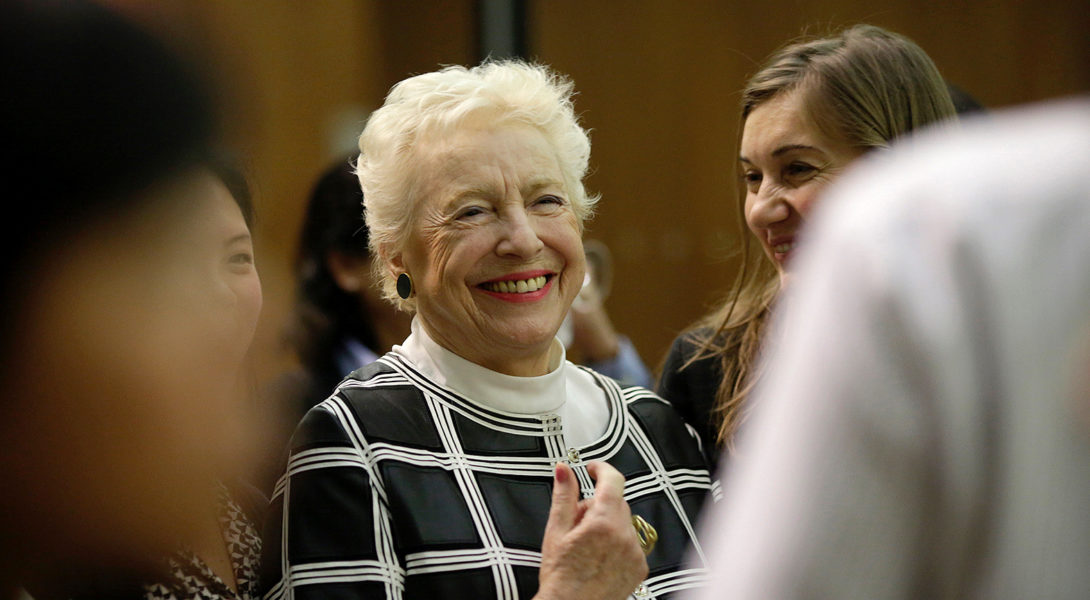
Dame Stephanie “Steve” Shirley, a pioneering figure in the world of information technology, passed away at the age of 91 after a short illness. Shirley, who arrived in the UK as a Kindertransport refugee, contributed to gender equality in the sector by founding a women-led software company and donated millions of pounds to autism research. Shirley is the subject of our 'Who Is' section.
Details are in our file…
Early Life and the Kindertransport Experience
Dame Vera Stephanie “Steve” Shirley was born Vera Buchthal on September 16, 1933, in Dortmund, Germany. Her father, Arnold Buchthal, of Jewish descent, lost his job as a judge due to the Nazi regime; her mother, Margaret Schick, was a non-Jewish Viennese. Her grandmother, Rosa Buchthal, was a politician and women's rights activist. Shirley's childhood was overshadowed by World War II. At the age of five, she and her nine-year-old sister, Renate, were sent to England under the Kindertransport program, which aimed to rescue Jewish children fleeing the Nazis.
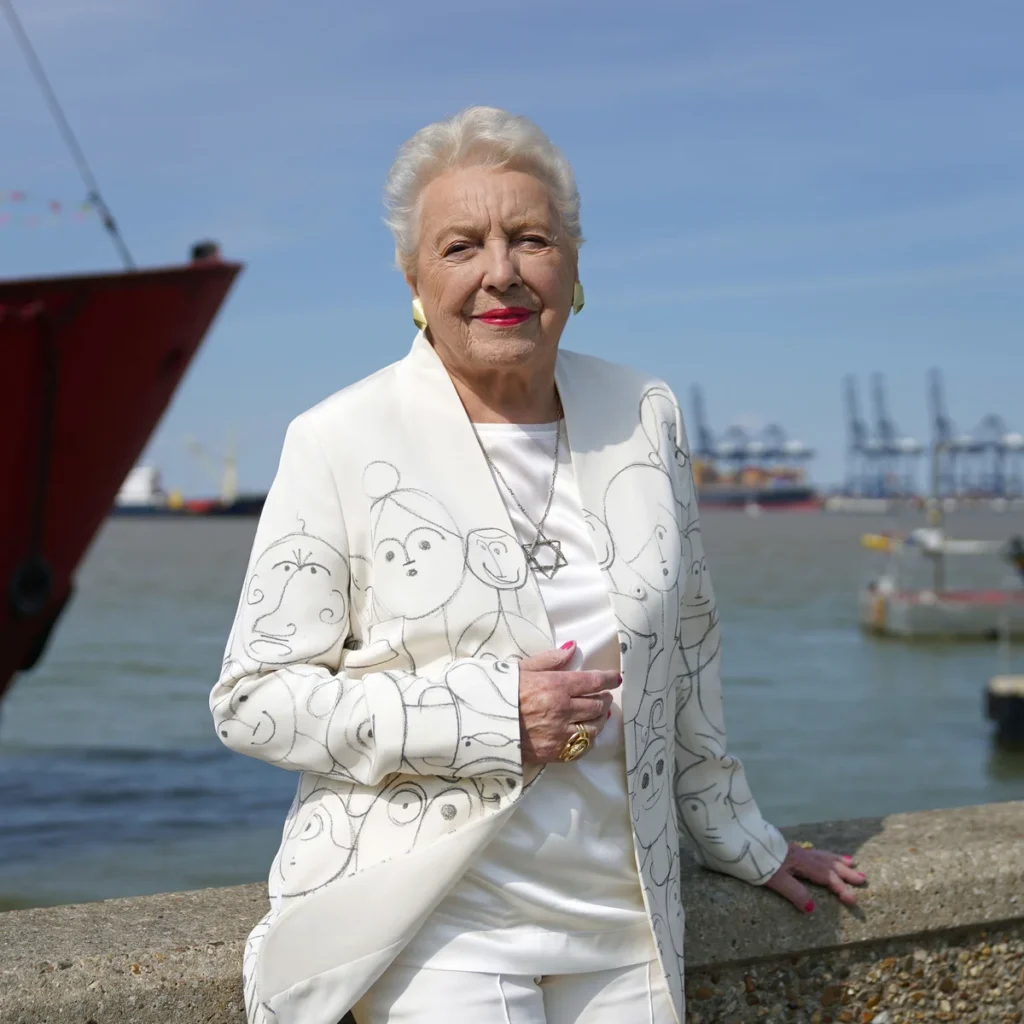
Steve Shirley Sutton was adopted by a family in Coldfield. She was reunited with her family after the war, but stated that she “couldn’t really form a bond with them.” According to the BBC, this traumatic childhood experience shaped her ability to adapt to change throughout her life. She attended Oswestry Girls’ High School; she attended math classes with special permission because the subject was taught at a boys’ school. Instead of going to university (at that time, science options for women were limited beyond botany), she chose a career in mathematics and technology. At 18, she became a British citizen and changed her name to Stephanie Brook.
As highlighted in The Guardian's obituary, Shirley's early life was shaped by his refugee experience, which fueled his entrepreneurial spirit. A similar article in Wired notes that Steve Shirley remembered this period as "five years of peace."
Career and Founding of Freelance Programmers
In the 1950s, Steve Shirley began working at the Post Office Research Station in London, where she built computers from scratch and wrote code in machine language. She earned an honors degree in mathematics through six years of evening classes. In 1959, she joined CDL Ltd. and played a role in the design of the ICT 1301 computer. That same year, she married physicist Derek Shirley and changed her surname.
Shirley, who experienced gender discrimination in the workplace (including "being harassed"), founded Freelance Programmers in 1962 with £6 in capital. The company aimed to create job opportunities for dependent women; only three of its first 300 employees were men. Although the Gender Discrimination Act of 1975 made it illegal, Steve Shirley's vision revolutionized the industry. He used the name "Steve" in the business world because letters signed "Stephanie" went unanswered.
The company's projects included programming the Concorde's black box flight recorder. Shirley served as an independent director at Tandem Computers, the Atomic Energy Authority, and John Lewis Partnership. She retired in 1993 at the age of 60. The British Computer Society's (BCS) obituary emphasizes that Shirley "opened doors for women in a male-dominated industry." Computer Weekly notes that her entrepreneurship transformed the technology sector.
Philanthropic Studies and the Shirley Foundation
Following her retirement, Shirley focused on philanthropy. The Shirley Foundation , which she established in 1986 , supported pioneering projects on autism spectrum disorders. The death of her son Giles at the age of 35 from an epileptic seizure triggered this focus. The foundation has donated millions of pounds to projects such as Kingwood Autism, Prior's Court School (a residential school for 70 autistic students), and Autism99. In 2018, the foundation was transferred to Autistica.
Shirley donated her art collection (including works by artists such as Elisabeth Frink and Maggi Hambling) to Prior's Court and Paintings in Hospitals. She served as the UK's Ambassador for Charity from 2009-2010. The Telegraph's obituary states that Shirley "donated over £67 million." In her memoirs (Let It Go), published in 2012, she says, "I need to justify this because my life was saved." The BBC reports that her refugee background shaped her philanthropy.
Awards and Legacy
Shirley has received numerous awards: an OBE in 1980, a DBE in 2000, and a CH in 2017. She has been honored with titles such as Freedom of the City of London (1987) and President of the British Computer Society (1989-1990). She became a FREng in 2001 and a Fellow of the Computer History Museum in 2018. She was included in the BBC's 100 Women list in 2013 and the Times' 100 Scientists list in 2014.
Her legacy is creating female role models in technology and philanthropy. Autistica's statement says, "She transformed autism research." A similar article in The Verge highlights Shirley's innovations in the software industry, while Wired states that she "dismantled a male-dominated world." Shirley shared her experiences in TED talks and books (Let It Go, My Family in Exile).
Shirley, who passed away at the age of 91 after a short illness, continues to be an inspiration as an entrepreneur of refugee origin. Her family announced her death on Instagram. Her legacy lives on in the fields of autism awareness and women's entrepreneurship.
For just 1 TL per day, subscribe and gain unlimited access to all our content and support independent journalism! Subscribe Now!