Amazon's AI-powered 'Bee' looks like a privacy nightmare!
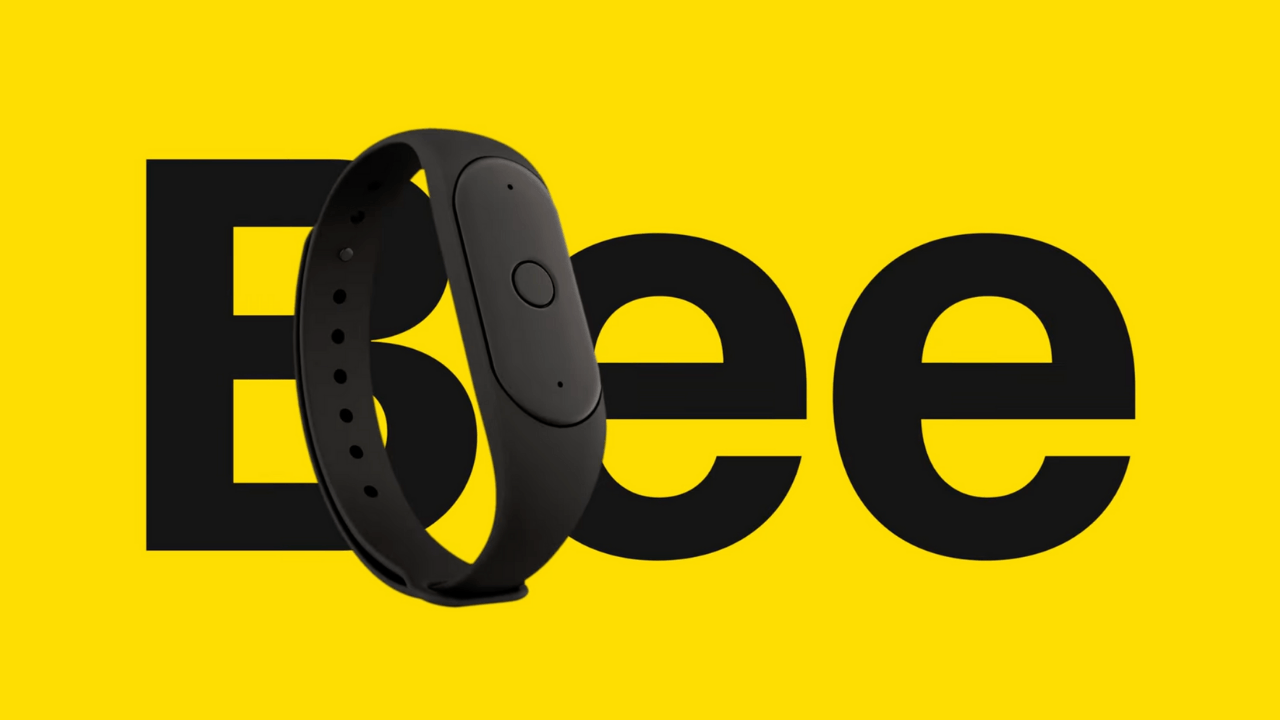
While most AI products operate within a browser or phone, we are approaching a new era of AI assistants where wearable devices will run more advanced AI personal assistants. Amazon's Bee device is one such product; a wearable device that allows the user to record thoughts, events, and conversations, and then access the information in these audio recordings in written form within an app.
While most AI products operate within a browser or phone, we are approaching a new era of AI assistants where wearable devices will run more advanced AI personal assistants. Amazon's Bee device is one such product; a wearable device that allows the user to record thoughts, events, and conversations, and then access the information in these audio recordings in written form within an app.
Details are here…
According to the startup company Amazon acquired last year for an undisclosed sum, the $49,99 Bee is equipped with privacy protections. However, as we will discuss below, its privacy may not actually be perfect. There are some risks involved, including Amazon now owning the company and the giant retailer being known to have raised privacy concerns for Echo and Ring consumers.
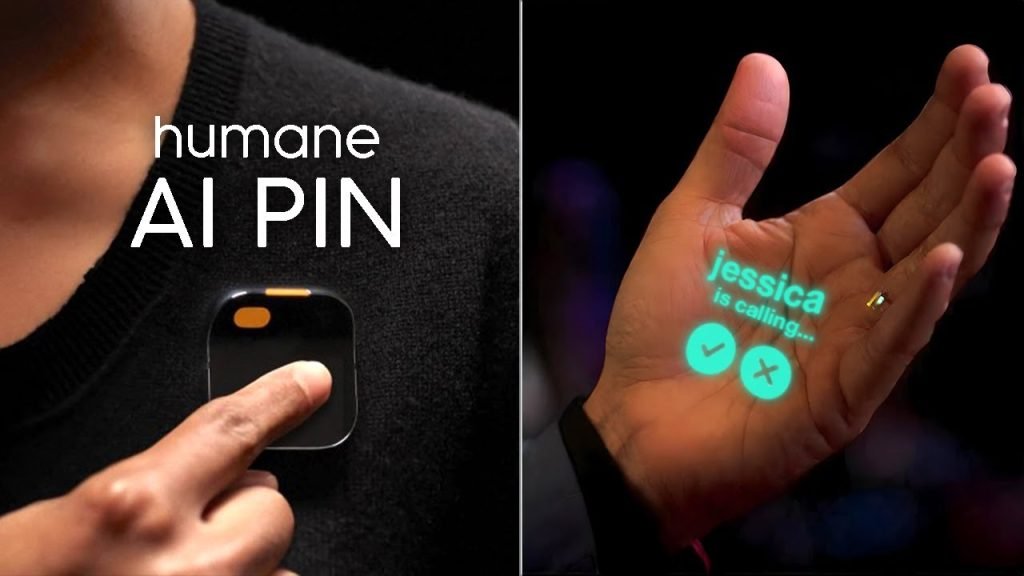
Amazon Bee's predecessor, Human AI Pin
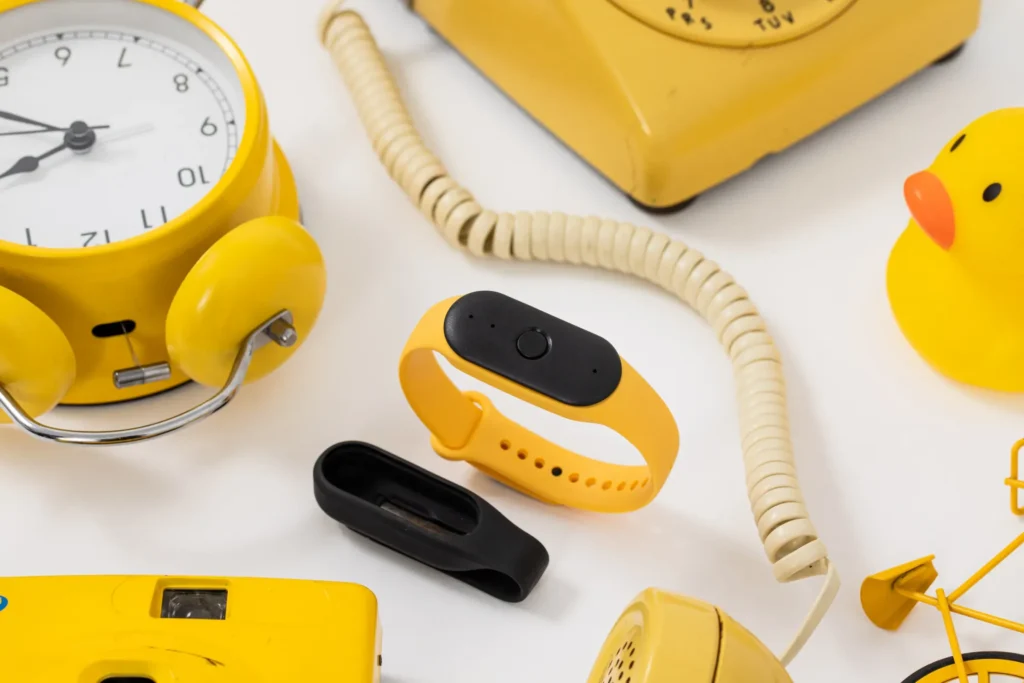
Before we delve into its privacy features and potential issues, you should know exactly what Amazon's Bee device is. The device resembles a smartwatch or smart bracelet without a screen. The wearable can also be attached to clothing, like the Humane Ai Pin . In the center of the device is an Action button that can be pressed to start and stop audio recordings. A green LED illuminates while the device is in operation. Two microphones filter out noise to improve recording quality. The Bee can understand up to 40 different languages and offers users up to seven days of battery life per charge.
Since joining Amazon, Bee has evolved into a more personalized AI assistant. The device has added support for Voice Notes, Actions that allow the user to interact with email and calendar apps, and Daily Analytics, which lets the AI track and detail trends about how the user is feeling, “changes in their relationships,” recurring themes over weeks, and personalized goals.
Privacy Features
If you don't use the action button, the device stops recording after 15 minutes of silence. The transcripts then appear in the iPhone app. As of this writing, the device does not support Android. Bee states on its support pages that it never stores audio recordings. The audio is processed in real-time and then deleted. Only the user has access to the transcripts unless they decide to share the data. Users can delete their accounts and personal data from the app's settings menu. Everything is encrypted during both storage and transmission, and Bee says the system has a "privacy architecture by design" that can be audited by third parties.
Bee co-founder Maria de Lourdes Zollo stated in a blog post published on Amazon in early January , “Privacy has been part of our DNA from day one.” She added that they have been improving the device’s privacy since joining Amazon. The new security layer they added ensures that “only customers can access their transcripts and summaries, and no one, including Amazon or Bee, can access them unless customers choose to share their data.” The same blog post also explains that Bee has developed “ambient AI,” or an assistant that “understands you, meaning it integrates into every aspect of your life: at home, on the road, at important moments, wherever you are.”
However, Zollo's vision might seem daunting to some users. Zollo wrote, "When worn throughout the day, it records your conversations, understands your commitments, and creates a life chart that grows over time. Bee continuously learns from your daily habits to provide personalized insights that can empower you in your daily life." This gives the impression that the device is always listening, but that's not the case.
High Privacy Risks Exist
Some privacy concerns are immediately apparent. For example, Bee can record the voices of people around the user without their explicit permission. The green LED light isn't immediately visible, especially when the device is worn on the wrist. Some people might be concerned about the 15-minute auto-stop feature. It's unclear whether the AI will actually stop recording if it continues to hear sounds around the device owner.
Bee's privacy statement also contains some concerning elements. For example, Bee may collect sensitive data, including voice patterns, health and fitness data, and location data. Bee may share data with third-party service providers during “artificial intelligence or machine learning services,” affiliates, and business takeovers (such as Amazon's acquisition). The privacy document also states that Bee has not “sold” personal information in the previous 12 months (as of September 2025), but has “shared” limited data with third-party advertisers to “provide users with more helpful and relevant ads and measure their effectiveness.”
Finally, Amazon itself has faced various privacy issues. A few years ago, reports emerged showing that human reviewers were listening to Alexa recordings to improve the service. Amazon only introduced an opt-out feature after the backlash. In 2023, the FTC and DOJ fined Amazon $25 million for indefinitely storing children's Alexa recordings. Last year, Amazon removed an Echo feature that allowed users to stop voice recordings from being sent to the cloud. Earlier this month, Amazon upgraded all Prime users to Amazon's ChatGPT-like AI assistant, Alexa Plus, without offering an opt-out option. Privacy issues related to Ring security cameras have also surfaced in recent years. For example, in 2023, the FTC investigated Amazon for allowing its employees and contractors to access footage from Ring cameras and ordered Amazon to pay $5,8 million in restitution and improve user privacy.
For just 1 TL per day, subscribe and gain unlimited access to all our content and support independent journalism! Subscribe Now!