Alibaba Makes a Huge Breakthrough: Targeting 10 Trillion Parameters of AI with the Zhenwu V900 Chip
At the Apsara Conference, Alibaba unveiled its new AI chip, the Zhenwu V900, announcing plans to train a massive model with 5-10 trillion parameters. Amidst US chip restrictions, the company aims to rival Nvidia and expand its data center capacity by 2032.
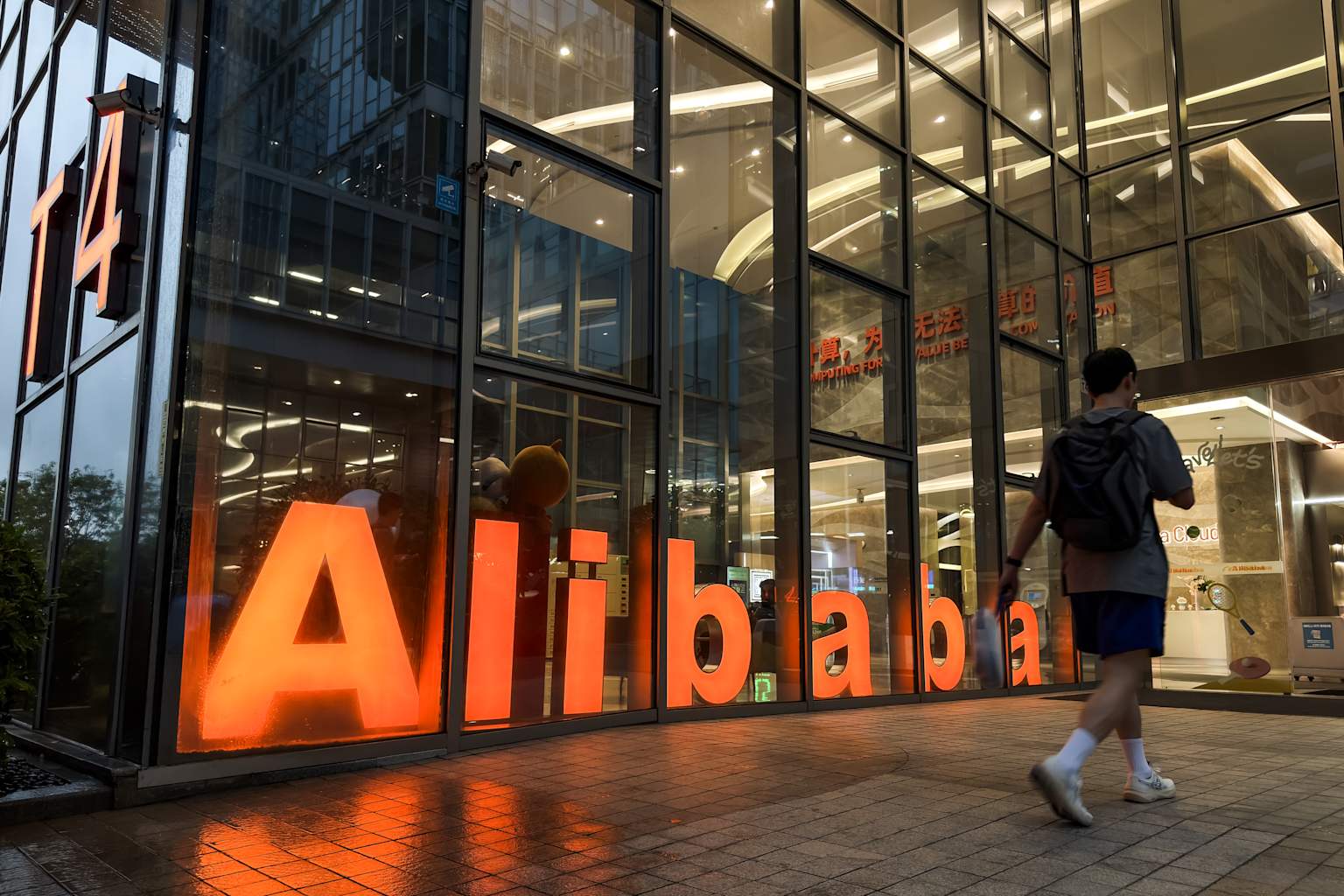
Chinese tech giant Alibaba announced one of its most ambitious moves in the field of artificial intelligence at its annual Apsara Conference. CEO Eddie Wu unveiled the new Zhenwu V900 accelerator developed by the company's T-Head chip unit, and publicly shared the goal of training a massive AI model capable of handling 5 to 10 trillion parameters. These steps position Alibaba as a formidable player in the global AI hardware market.
Three Times More Powerful Than Its Predecessor: Zhenwu V900 Chip
Developed by Alibaba’s semiconductor design unit T-Head, the Zhenwu V900 stands out as the company’s most powerful AI accelerator to date. According to Bloomberg, the new chip offers three times higher processing performance than its predecessor and can be clustered in up to 500 units to support the training of borderline large language models. This scale elevates the chip beyond being just a single piece of hardware, making it the backbone of massive data center clusters. Experts consider this a strategic move that positions Alibaba as a direct competitor to Nvidia in the accelerator market; particularly significant given the current US export restrictions limiting Chinese companies’ access to advanced hardware.
A Model with 5-10 Trillion Parameters: A Goal That Pushes Boundaries
One of the most striking goals announced by Eddie Wu at the Apsara Conference is the training of an AI model capable of handling 5 to 10 trillion parameters. This scale represents a leap far beyond the largest language models known to the public today and, if realized, could usher in a new era in the field of artificial intelligence. Whether Alibaba will actually be able to implement this ambitious timeline and scale remains unclear; the company has not yet clarified the technical details and schedule. Nevertheless, this commitment is read as a clear indication that Alibaba aims to be at the forefront of AI research and infrastructure, rather than remaining dependent on foreign technology suppliers. It is also noted that the AI race among China's major technology companies has entered a new phase with this announcement.
Data Center Investment and Challenging Nvidia
In addition to chip and model announcements, Alibaba also revealed that its cloud arm, Alibaba Cloud, aims to increase its global data center capacity to over 20 gigawatts by 2032. This figure highlights the scale of the infrastructure investment the company plans to make to support next-generation AI workloads. These developments coincide with a period in which Chinese technology companies are rapidly advancing to catch up with their US rivals; other Chinese players, such as Huawei, are similarly launching their own AI chips. According to analysts, Alibaba's multifaceted strategy aims to build long-term competitiveness against Nvidia and other Western rivals on both the hardware and model development fronts.
For just 1 TL per day, subscribe and gain unlimited access to all our content and support independent journalism! Subscribe Now!